
Car Insurance After Dropping a Second Car — Springfield, IL
Free to compare
When Removing a Car Raises Your Premium
You called your carrier, removed the second car you no longer drive, and expected your six-month premium to drop by roughly half. Instead your renewal notice arrived showing a smaller reduction than you calculated, or in some cases a net increase. The math didn't break; the policy structure changed underneath you.
When a two-car household drops to one in Springfield, the multi-car discount disappears from the remaining vehicle. That discount typically reduces each car's premium by 15 to 25 percent depending on carrier. Your remaining car now pays single-vehicle rates. If the eliminated car was older, cheaper to insure, or carried liability-only coverage while your kept car carries full coverage, the structural shift can erase most or all of the expected savings. This is not a billing error. It is how multi-car pricing works, and most retirees discover it only at renewal.
“The carrier did not raise your rate; it removed a discount that only existed because you insured two cars.”

See What Illinois Retirees Pay Now
Get My Illinois Retiree Auto Insurance Quoterequired
Illinois Mature-Driver Discount
Illinois law requires insurers to offer a discount to drivers over 55, though the statute does not fix the percentage: each carrier sets its own amount by filing. The legal basis is 215 ILCS 5/143.29, which mandates the availability but delegates the reduction to insurer determination.
215 ILCS 5/143.29
The Multi-Car Discount You Just Lost
Multi-car discounts apply per vehicle, not per household. When both cars were on the policy, each received the discount. Removing one car removes its discount from the remaining vehicle immediately. The discount does not transfer; it vanishes.
Carriers in Illinois writing standard and preferred-tier auto policies universally offer multi-car discounts, but the percentage varies by filer. State Farm, Allstate, American Family, and Country Financial all structure policies this way. The remaining car reverts to single-vehicle base rates the moment the second car is deleted, even mid-term.
If your removed car was a 15-year-old sedan with liability-only coverage paying $40 per month and your kept car is a newer vehicle with full coverage previously discounted from $110 to $95, your old total was $135. Your new single-car rate may land at $110 again, a $25 monthly reduction instead of the $95 you expected. The $15 gap is the lost multi-car discount on the vehicle you kept.
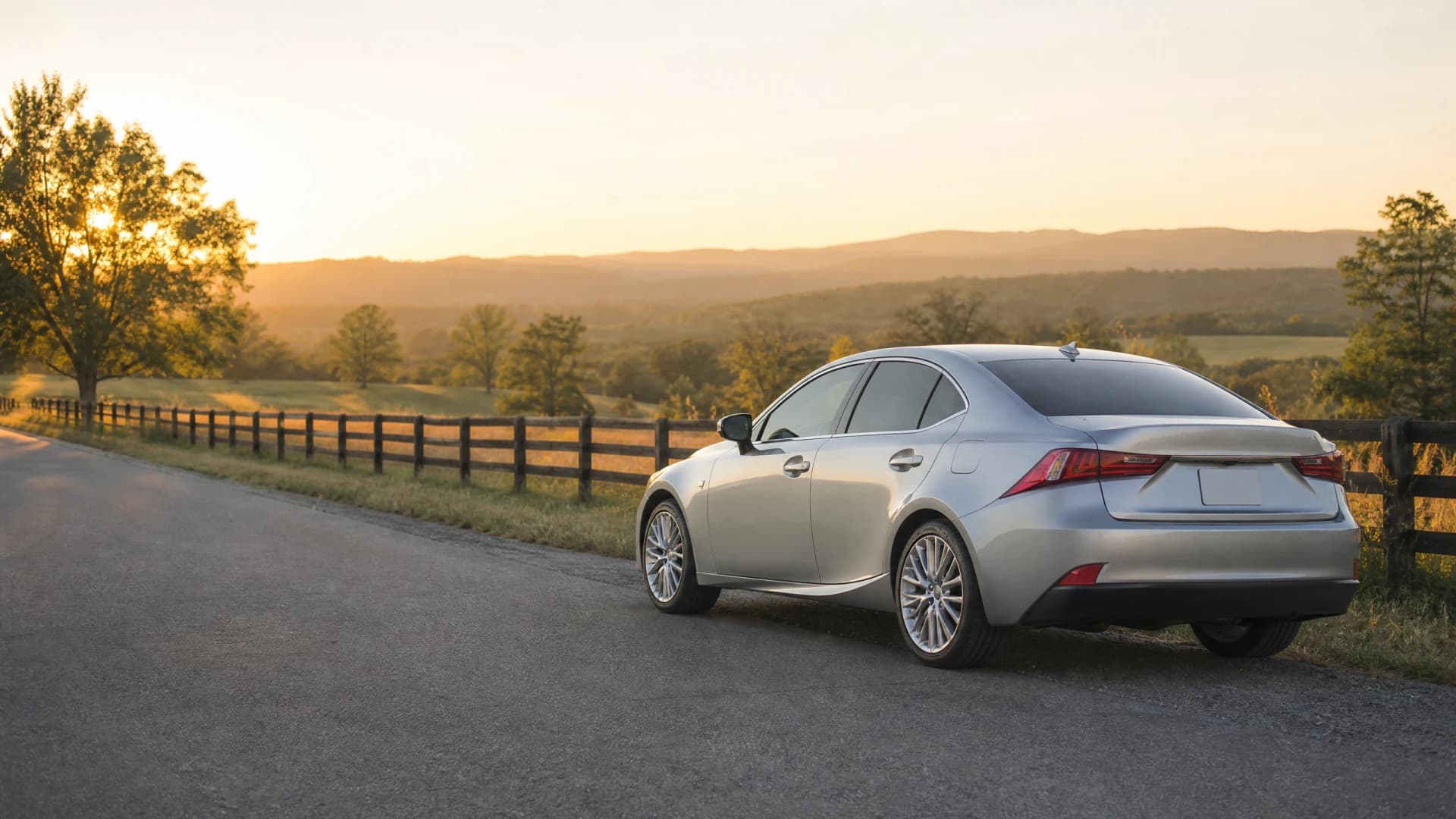
The carrier did not raise your rate. It removed a discount that only existed because you insured two cars. Single-car pricing is now your baseline.
Related Articles

Cheapest Car Insurance for Retirees in Springfield IL
6/15/2026

Best Car Insurance Retirees Springfield IL
6/14/2026

Cheapest Car Insurance Retirees Springfield IL
6/14/2026
Joliet IL Insurance After Dropping Second Car
6/14/2026

Dropping a Second Car in Peoria IL
6/14/2026
Car Insurance After Dropping Second Car Elgin
6/15/2026

Full Coverage on a Paid-Off Car Driven Lightly
Many Springfield retirees keep full coverage on a paid-off vehicle out of habit formed during loan years. Once the lien is satisfied and annual mileage drops below 7,000, the collision and comprehensive premiums may exceed the realistic claim payout if the car is totaled.
Illinois does not require collision coverage or comprehensive coverage on any vehicle. The state mandates liability minimums of $25,000 per person and $50,000 per accident for bodily injury, plus $20,000 property damage, and uninsured motorist coverage. Everything beyond that is the owner's choice.
If your car is worth $6,000 and your annual collision plus comprehensive premium is $480, a total-loss claim nets you the depreciated value minus your deductible. A $500 deductible leaves $5,500. You recover that premium cost in 11.5 years if no claim occurs. For a lightly driven paid-off vehicle, dropping to liability-only coverage and banking the $480 annually often makes more financial sense than maintaining full coverage against an unlikely total loss.
Medicare and Medical Payments Coverage
Springfield retirees on Medicare often ask whether medical payments coverage on their auto policy duplicates what Medicare already covers. It does not duplicate; it coordinates.
Medicare Part B covers medical expenses from a car accident after you meet your deductible and coinsurance. Medical payments coverage on your auto policy pays immediately without a deductible, covering you and your passengers up to the policy limit. It can pay the Medicare deductible, coinsurance amounts, and expenses Medicare does not cover such as certain therapies or transportation costs.
Illinois does not require medical payments coverage, so it appears on your policy only if you selected it. If your current policy includes a $5,000 medical payments limit and you cannot recall selecting it, review whether that coverage still fits your household. Some retirees keep it for passenger protection; others drop it to reduce premium, relying on Medicare for themselves and advising passengers to use their own health insurance.
25
Carriers Writing in Springfield
At least 25 carriers write auto insurance in Illinois and serve the Springfield area, including standard-tier writers like State Farm and Allstate, preferred-tier options like USAA and Amica for qualifying households, and non-standard specialists like Dairyland and The General. Senior drivers comparing after a policy structure change should request quotes from at least three carriers whose mature-driver and low-mileage programs align with a retired profile.
Illinois Department of Insurance licensure records
Filing the Mature-Driver Course Certificate
Carriers that tie the mature-driver discount to course completion will not apply it unless you submit the certificate. Finishing an online or in-person defensive driving course approved by the Illinois Secretary of State does nothing to your premium until the certificate reaches your insurer and the discount is manually added to your policy.
Most insurers apply the discount at the next renewal after receiving the certificate, not retroactively. If you complete the course in March and your renewal is in November, the discount begins in November. Submit the certificate immediately after completion to avoid missing the renewal window. Some carriers allow electronic submission via their app or online portal; others require mailing the physical certificate to their underwriting department. Confirm the submission method with your agent or the carrier's customer service line before assuming it was received.
Your Next Step
Contact your current carrier and request an itemized breakdown of your new single-car premium, including which discounts currently apply and which you may qualify for but have not enrolled in. Ask specifically about the mature-driver discount, whether a course certificate is required, and whether a low-mileage or usage-based program is available. Request quotes from at least two additional carriers writing in Springfield that offer senior-focused discount structures. Compare the total six-month premium with the same coverage limits and deductibles across all three, then decide whether switching carriers or adjusting coverage on your current policy delivers the better outcome.
Comparing Carriers With One Car and Senior Status
Illinois law requires all carriers writing auto policies in the state to offer a mature-driver discount to drivers over 55. The statute does not set a percentage, so each insurer files its own. Some carriers apply the discount automatically at age 55 or 65; others require completion of a state-approved defensive driving course. Springfield drivers can verify approved course providers and carrier-specific eligibility by contacting the Illinois Secretary of State's office or checking each carrier's discount disclosure at quote time.
Low-mileage and usage-based programs available from Progressive, State Farm, Nationwide, and Allstate reward retirees who no longer commute. These programs track actual miles driven or specific trip behavior via a mobile app or plug-in device. A Springfield retiree driving 5,000 miles annually instead of the 12,000-mile average may qualify for reductions that outweigh the lost multi-car discount, but enrollment is manual: the program does not activate unless you request it and complete the carrier's enrollment process.
Get Your Free Quote
Get My Illinois Retiree Auto Insurance QuoteFrequently Asked Questions
Does removing a second car from my policy automatically lower my premium in Illinois?
Removing a car lowers your total premium, but not by the full cost of the removed vehicle. The multi-car discount that applied to your remaining car disappears when you drop to one vehicle, so that car reverts to single-vehicle base rates. The net reduction is often smaller than expected, and in some cases results in a higher per-car cost.
Can I get the multi-car discount back without buying another car?
No. The multi-car discount requires insuring at least two vehicles on the same policy. You cannot restore it by listing a vehicle you no longer own or insuring a car registered to someone outside your household. Senior-focused discounts and low-mileage programs offer alternative ways to reduce your single-car premium.
Do all Illinois carriers require a course for the mature-driver discount?
No. Illinois law requires insurers to offer a mature-driver discount to drivers over 55, but each carrier sets its own eligibility rules. Some apply the discount automatically at a certain age; others require completion of a state-approved defensive driving course. Contact your carrier or request a quote to confirm their specific requirement.
How do I know if my car is worth keeping full coverage on?
Compare your annual collision and comprehensive premium to your car's current market value minus your deductible. If the premium exceeds 10 percent of the net claim payout and you drive fewer than 7,000 miles annually, dropping to liability-only coverage and self-insuring the vehicle often makes more financial sense for retirees with paid-off cars.
Does Medicare replace medical payments coverage on my auto policy?
No. Medicare Part B covers your medical expenses after a car accident, but medical payments coverage on your auto policy pays immediately without a deductible and covers passengers in your vehicle. The two coordinate rather than duplicate. Some retirees keep medical payments for passenger protection; others drop it to reduce premium.
Will my carrier notify me when I qualify for a new discount?
Not always. Many carriers require you to request enrollment in low-mileage or usage-based programs, and most require you to submit a defensive driving course certificate before applying the mature-driver discount. Review your policy disclosure annually and ask your agent which discounts you qualify for but have not yet enrolled in.