Liability Insurance — Illinois
Liability insurance pays for injury and property damage you cause to others in an accident — not your own vehicle or medical bills.
Free to compare
What Is Liability Insurance Insurance?
Liability insurance splits into two components: bodily injury liability, which pays medical bills, lost wages, and pain-and-suffering settlements when you injure someone in an accident, and property damage liability, which pays to repair or replace another driver's vehicle or damaged property like a fence or mailbox. Neither component pays anything toward your own car or your own medical bills. When you cause an accident, your liability coverage pays the other party's bills up to your policy limits, and you're personally responsible for any amount above those limits.

Who Needs Liability Insurance Insurance?
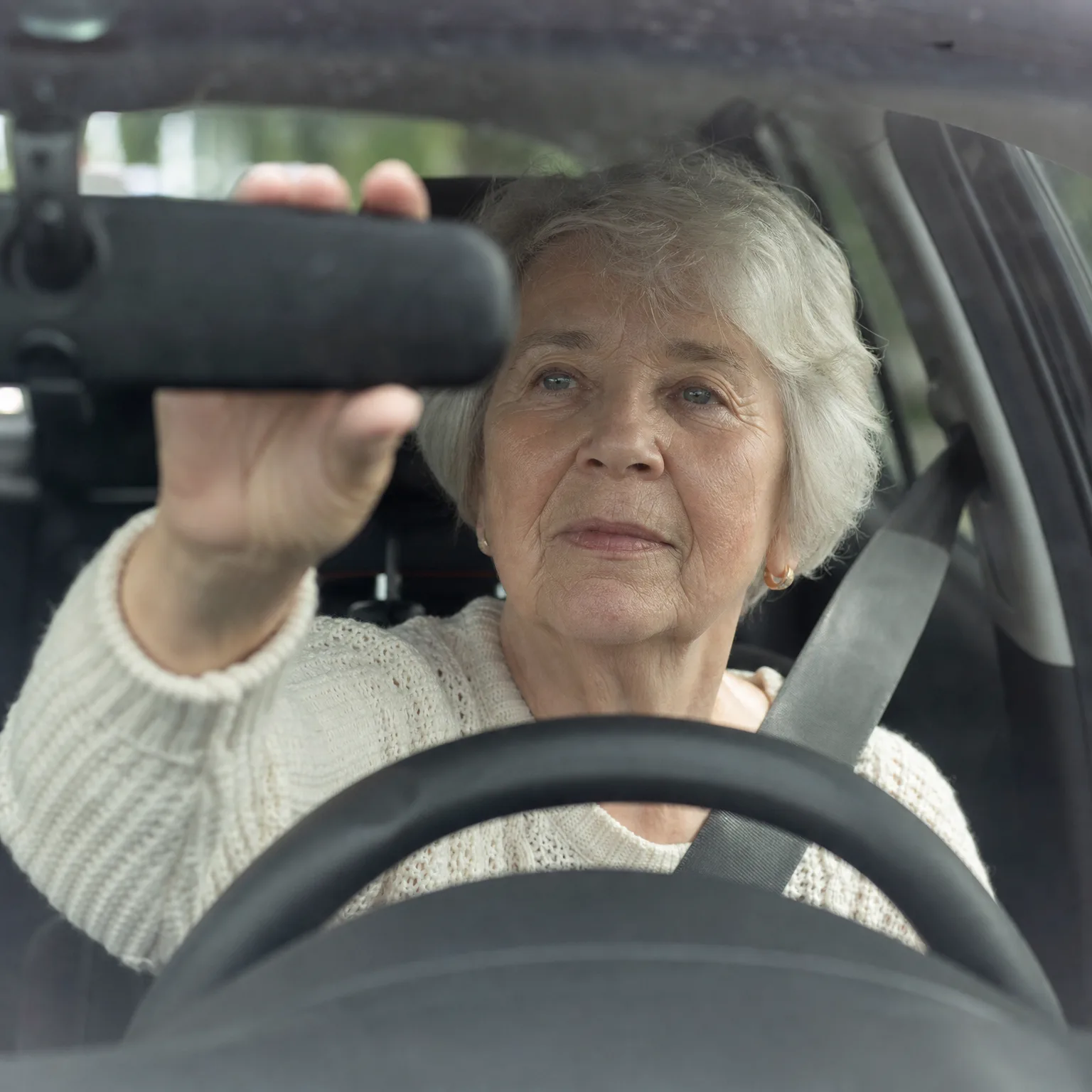
Retirees with assets to protect — a paid-off home, retirement accounts, or savings — should carry liability limits higher than Illinois minimums. Drivers who still carry a car loan or lease are also required by the lender to carry higher liability limits, typically 100/300/100 or more.
Ask three questions: Do you own a home or hold retirement savings a lawsuit could reach? Does your annual mileage and driving pattern create frequent accident exposure, or do you drive fewer than 5,000 miles per year in low-density areas? If you have assets to protect and cannot absorb a large judgment, carry 100/300/100 or higher. If you are judgment-proof and drive minimally, state minimums may suit your situation.
How Much Does Liability Insurance Insurance Cost?
Retirees with clean records and low annual mileage often qualify for the lower end of these ranges.
- Coverage limits chosen — Illinois minimum 25/50/20 costs substantially less than 100/300/100 or 250/500/100, but higher limits protect personal assets if you cause a serious accident.
- Driving record — retirees with no at-fault accidents or violations in the past three to five years qualify for lower liability premiums than drivers with recent claims.
- Annual mileage — carriers offering low-mileage or usage-based programs reduce liability premiums for retirees driving under 7,500 miles per year, a common profile once commuting ends.
- Mature-driver-course discount — Illinois statute requires insurers to offer a discount to drivers who complete an approved mature-driver course, with the discount percentage set by individual carrier filing.
- County and zip code — liability premiums in Cook County and collar counties run higher than downstate Illinois due to accident frequency, medical cost, and litigation rates in metro Chicago.
- Bundling and loyalty — retirees who bundle auto with homeowner or renter policies, or who have been with the same carrier for multiple years, often receive multiline and longevity discounts that reduce liability cost.
Related Coverage Types