
Full Coverage on Paid-Off Cars — Springfield, IL
Free to compare
When Full Coverage Stops Earning Its Cost
You opened your Springfield renewal notice and the premium barely dropped, even after completing the state-approved defensive driving course and applying the mature-driver discount. The car has been paid off for three years, you drive 6,000 miles annually instead of the 15,000 you logged during your working years, and the vehicle is worth $8,500 according to the private-party guide. The collision and comprehensive premiums together still consume a meaningful share of that value every year, yet the carrier renewed them automatically without asking whether you want to keep paying for coverage on a car the bank no longer requires you to insure.
This is the paid-off-vehicle friction most Springfield retirees face: lenders mandate full coverage while a loan exists, so the decision was never yours to make. Once the title clears, the carrier continues billing collision and comprehensive at renewal because you never told them to stop. The premium reflects the car's replacement cost and your ZIP code's theft and weather risk, not whether the coverage still makes financial sense against a vehicle whose value declines every year.
“The carrier will not prompt you to drop collision when the math stops working: the renewal assumes you want what you carried last year.”

See What Illinois Retirees Pay Now
Get My Illinois Retiree Auto Insurance Quote$25,000
Illinois Bodily Injury Minimum Per Person
Illinois requires $25,000 bodily injury per person, $50,000 per accident, and $20,000 property damage as the liability floor. Collision and comprehensive sit on top of that floor but are optional once the lien clears.
625 ILCS 5/7-203
What Full Coverage Actually Pays For
Collision coverage pays to repair or replace your car when you hit another vehicle, object, or roll over, minus your deductible. Comprehensive pays for theft, vandalism, hail, falling objects, fire, and animal strikes, also minus your deductible. Neither pays for injuries you cause to others or damage to their property: liability coverage handles that, and Illinois law requires liability regardless of whether you finance or own outright.
The carrier caps the payout at the car's actual cash value on the day of the loss, not what you paid for it or what replacement would cost. A 2015 sedan with 92,000 miles that books at $8,500 generates a maximum collision payout of $8,500 minus your deductible. If your deductible is $1,000, the maximum net benefit is $7,500. If the annual collision premium is $420 and comprehensive is $210, you pay $630 per year to protect $7,500 of vehicle equity.
That ratio shifts every year. The car depreciates, the equity shrinks, but the premium typically holds steady or rises with inflation and claims trends in your area. After three or four years of ownership with no collision claims, many Springfield retirees reach a point where they have paid more in premiums than the remaining equity justifies.
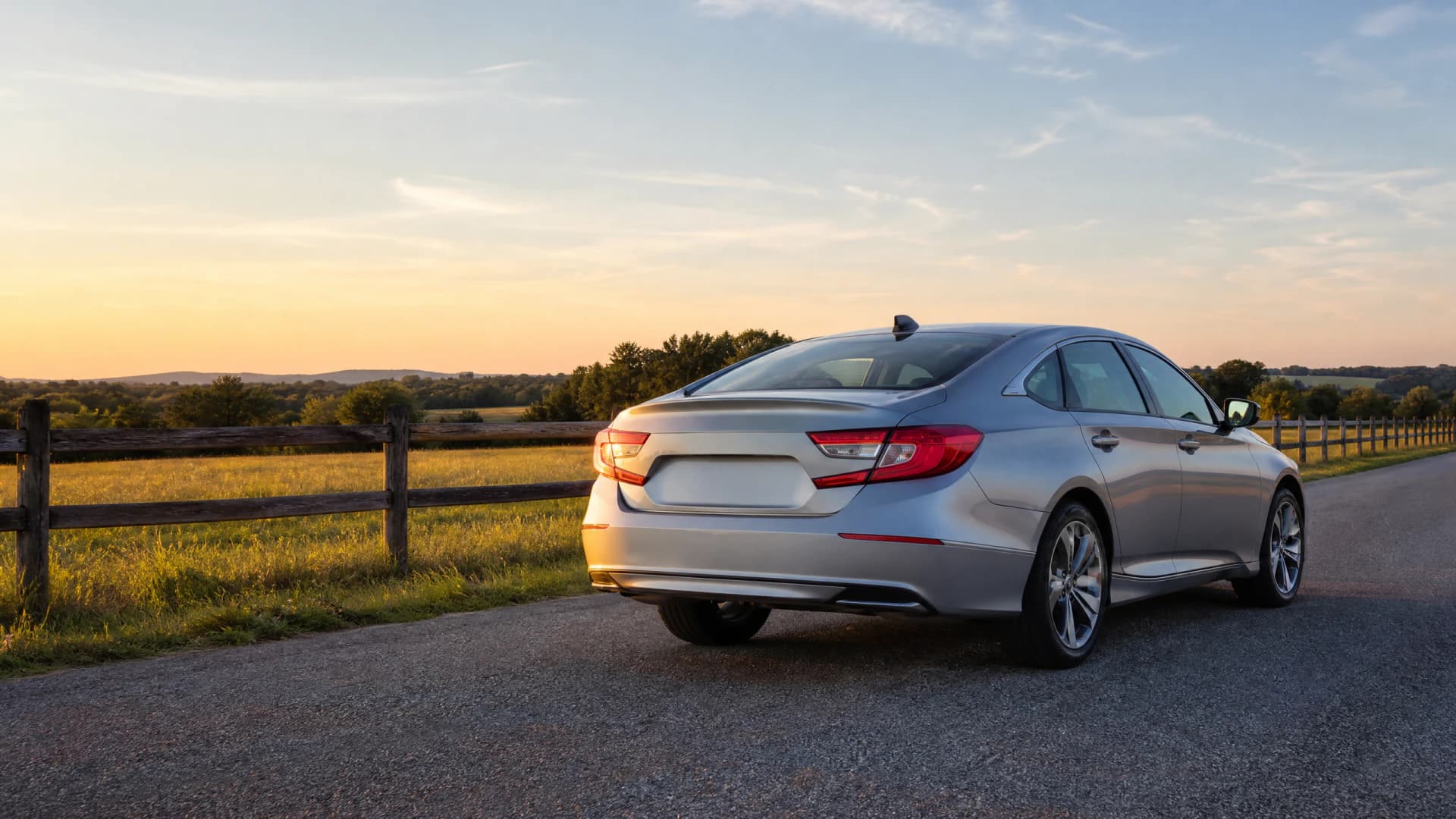
The carrier will not prompt you to drop collision and comprehensive when the math stops working. The renewal notice assumes you want the same coverage you carried last year.
Related Articles







What Happens When You Drop Full Coverage
Dropping collision means you pay out of pocket to repair your car after an at-fault accident or a single-vehicle crash. Dropping comprehensive means you pay out of pocket for theft, hail damage, or hitting a deer. Liability coverage continues to protect you from lawsuits and injury claims when you cause an accident, and Illinois law requires you to maintain those minimums regardless of what you do with collision and comprehensive.
Your carrier will reduce your premium immediately at the next renewal or mid-term if you request the change before the renewal date. Most Springfield insurers process the change within one billing cycle. The premium savings flow directly to you; there is no waiting period or prorated refund complexity when you drop optional coverages.
The decision is reversible. If you drop collision and comprehensive today and later decide you want them back, you can add them at the next renewal or mid-term by contacting your agent. The carrier will re-quote based on the car's current value and your current risk profile. Some carriers impose a gap penalty if you let coverage lapse and then reinstate it, but that penalty applies to lapses in liability coverage, not to elective drops of collision and comprehensive.
25
Carriers Writing Auto in Illinois
Twenty-five carriers write auto insurance in Illinois, including standard, preferred, and non-standard tiers. Most offer mature-driver and low-mileage discounts, but collision and comprehensive pricing varies significantly by carrier even when liability minimums stay constant.
Illinois Department of Insurance

State Discount Mandate and Comparison Strategy
Illinois law requires insurers to offer a mature-driver discount to policyholders over 55 who complete a state-approved defensive driving course. The statute does not fix the discount percentage; each carrier sets the amount in its filed rating plan. The discount applies to the entire premium, including collision and comprehensive, but the percentage is not visible until you request a quote or ask your current carrier what theirs is.
That mandate creates a comparison opportunity. If your current Springfield carrier applies a modest mature-driver discount and you drop collision and comprehensive, you may still pay more than you would with a different carrier that offers a larger discount and keeps you in full coverage. The only way to know is to compare quotes with collision and comprehensive included, then compare quotes with them removed, across multiple carriers.
Low-mileage and usage-based programs add another layer. Retirees who drive 6,000 miles per year instead of 15,000 often qualify for mileage-based discounts or pay-per-mile programs that reduce the premium significantly. Some carriers bundle the mature-driver discount with a low-mileage discount; others treat them as separate rate factors. The combination can make full coverage affordable even on a paid-off car, but you will not know until you request quotes with your actual annual mileage stated.
Medicare and Medical Payments Coordination
Medical payments coverage pays your medical bills after an accident regardless of fault, up to the policy limit. Personal injury protection works similarly in states that require it, but Illinois does not mandate PIP. Most Springfield retirees carry medical payments coverage as an optional add-on to their liability policy.
If you are enrolled in Medicare, medical payments coverage becomes secondary. Medicare pays first, and medical payments coverage fills the gaps Medicare does not cover, such as deductibles, copays, and services Medicare excludes. If Medicare covers the entire bill, medical payments coverage pays nothing. That secondary status reduces the coverage's value for retirees compared to working-age drivers without health insurance.
Dropping medical payments coverage when you are on Medicare is a common cost-reduction strategy. The coverage typically costs $30 to $80 per year in Springfield, and the benefit is limited to gaps Medicare leaves. Some retirees keep it for the deductible protection; others drop it and apply the savings to collision or comprehensive premiums. The decision depends on your Medicare plan's out-of-pocket exposure and whether you want secondary coverage for accident-related medical bills.

Compare Carriers With Your Actual Profile
Request quotes from at least three carriers writing auto insurance in Illinois: one from your current insurer with collision and comprehensive included, one from your current insurer with them removed, and parallel quotes from two competitors. State your actual annual mileage, your completion of a state-approved defensive driving course, and the car's current actual cash value when the agent or online form asks for it. Verify that each quote reflects the mature-driver discount and any low-mileage or usage-based program the carrier offers.
Compare the total annual premium, not just the collision and comprehensive line items. Some carriers offset collision savings with higher liability premiums; others price all coverages consistently. The carrier with the lowest collision premium may not deliver the lowest total cost once you add liability, uninsured motorist, and any remaining optional coverages. Focus on the bottom-line annual figure and what it buys you in actual coverage.
The Coverage-Fit Threshold for Retirees
Take a car worth $8,500 with collision and comprehensive premiums totaling $630 per year. Ten times the premium is $6,300. The car's value exceeds that threshold, so full coverage still delivers meaningful protection relative to its cost. If the same vehicle depreciates to $5,800 next year and the premium rises to $650, ten times the premium becomes $6,500, which now exceeds the car's value. At that point, you are paying for coverage whose maximum benefit is less than the premium multiple.
This is a judgment call, not a mandate. Some Springfield retirees carry collision and comprehensive well past the threshold because they cannot afford to replace the car out of pocket if it is totaled. Others drop both coverages the moment the loan clears and bank the premium savings in an emergency fund. The threshold exists to frame the decision, not to make it for you.
Get Your Free Quote
Get My Illinois Retiree Auto Insurance QuoteFrequently Asked Questions
Does Illinois require full coverage on a paid-off car?
No. Illinois requires liability coverage: $25,000 bodily injury per person, $50,000 per accident, and $20,000 property damage. Collision and comprehensive are optional once the lien clears. Your lender required full coverage to protect its interest in the car, not the state.
How do I know when to drop collision and comprehensive?
A conventional threshold treats full coverage as optional when the car's actual cash value falls below ten times the combined annual collision and comprehensive premium. That ratio reflects a judgment call about cost versus benefit. Some retirees keep it past the threshold; others drop it the moment the loan clears.
Will my premium drop immediately if I remove full coverage?
Yes. Most Illinois carriers process the change within one billing cycle when you request it before the renewal date. The premium reduction appears on your next bill. There is no waiting period or prorated complexity when you drop optional coverages mid-term or at renewal.
Can I add collision and comprehensive back later if I drop them now?
Yes. You can reinstate collision and comprehensive at the next renewal or mid-term by contacting your agent. The carrier will re-quote based on the car's current value and your current risk profile. Some carriers impose a gap penalty for liability lapses, but that does not apply to elective drops of collision and comprehensive.
Does the mature-driver discount apply to collision and comprehensive?
Yes. Illinois law requires insurers to offer a mature-driver discount to policyholders over 55 who complete a state-approved course. The discount applies to the entire premium, including collision and comprehensive. The percentage is set by each carrier's filed rating plan and verified at quote time.
Should I keep medical payments coverage if I am on Medicare?
Medical payments coverage becomes secondary when you enroll in Medicare: Medicare pays first, and med pay fills the gaps. The coverage typically costs $30 to $80 per year in Illinois. Some retirees keep it for deductible protection; others drop it and bank the savings. The decision depends on your Medicare plan's out-of-pocket exposure.