
Cheapest Full Coverage for Retirees with Paid-Off Cars — Illinois
Free to compare
You Paid Off the Car and the Premium Stayed the Same
You made the final payment, received the title in the mail, and opened your next renewal notice expecting relief. Instead the premium came back within a few dollars of what you paid when the lender required full coverage. The insurer does not call to congratulate you or ask whether you still want collision and comprehensive now that the loan is gone. The policy rolls forward unchanged because you never told them otherwise.
This article walks through when collision and comprehensive still earn their cost on a paid-off vehicle, when dropping one or both makes sense, and how to compare carriers in Illinois if you decide to keep full coverage but want to lower the bill. Illinois requires insurers to offer a mature-driver discount, and many carriers apply low-mileage programs that retirees often qualify for but never request.
“The insurer does not call when your vehicle's value crosses the threshold where collision and comprehensive cost more than self-insuring a total loss.”

See What Illinois Retirees Pay Now
Get My Illinois Retiree Auto Insurance Quote$25,000
Illinois Bodily Injury Minimum Per Person
Illinois mandates $25,000 bodily injury per person, $50,000 per accident, and $20,000 property damage as the liability floor. These minimums apply whether you carry collision and comprehensive or liability-only; dropping physical-damage coverage does not reduce your liability requirement.
625 ILCS 5/7-203
What Full Coverage Pays For Once the Lien Is Released
Full coverage is shorthand for a policy that includes collision and comprehensive on top of liability insurance. Collision pays to repair or replace your vehicle after an at-fault accident or a crash with an uninsured driver where your uninsured-motorist property-damage coverage does not apply. Comprehensive covers theft, vandalism, hail, flood, fire, and animal strikes. Both coverages pay up to your vehicle's actual cash value minus your deductible.
When a lender held the title, they required both coverages because the vehicle secured the loan. Once you own the car outright, the decision belongs to you. The insurer will not prompt you to drop either coverage; they continue billing for both unless you contact them to request a change. Many retirees discover they have been paying for collision and comprehensive on vehicles whose replacement value no longer justifies the annual cost.
The threshold most financial advisors use is simple: if your vehicle's current value is less than ten times your annual collision and comprehensive premium, the coverage costs more over the vehicle's remaining life than self-insuring a total loss. A vehicle worth $4,000 with a combined collision and comprehensive premium of $500 per year crosses that line in eight years, and most total-loss claims happen well before that horizon.
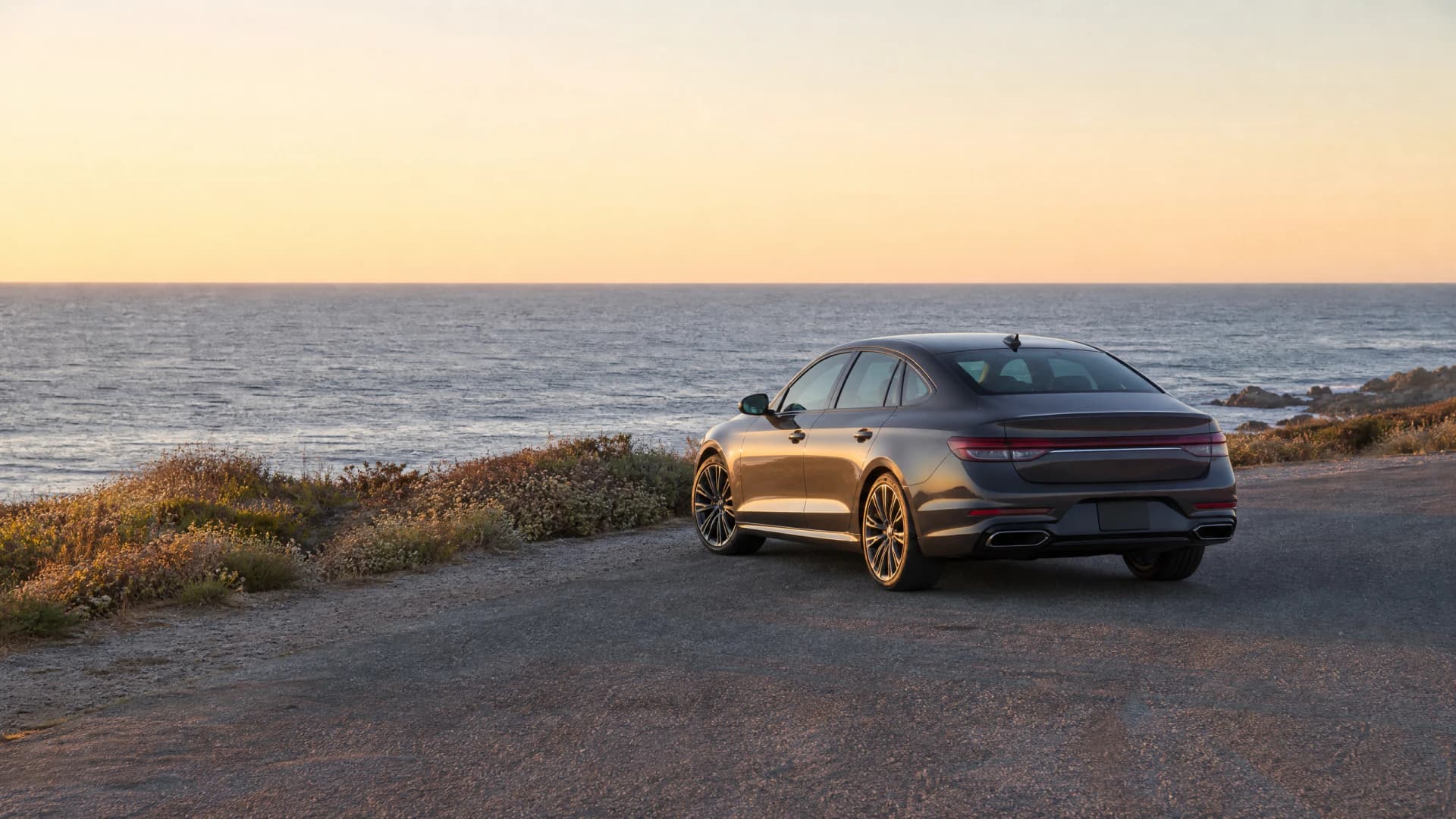
Your insurer will not tell you when your vehicle's value falls below the threshold where collision and comprehensive stop making financial sense. They bill what you authorized until you call to change it.
Related Articles






Illinois Carriers That Offer Mature-Driver Discounts on Full-Coverage Policies
Illinois law requires insurers to offer a mature-driver discount to insureds over 55, but the statute does not fix the percentage. Each carrier files its own discount structure with the Illinois Department of Insurance, and the amount varies. Some carriers apply the discount automatically at renewal once you reach the qualifying age; others require you to complete a state-approved defensive driving course and submit a certificate before the discount appears on your next bill.
State Farm, Progressive, GEICO, and Allstate all write in Illinois and offer mature-driver discounts, but the eligibility rules differ. State Farm and Allstate typically tie the discount to course completion; Progressive and GEICO apply age-based reductions in some cases without requiring a course. Call each carrier when you request a quote and ask two questions: does the mature-driver discount apply automatically or require course completion, and what is the discount percentage your insurer filed. Do not accept "we offer discounts for seniors" as an answer; ask for the specific amount and the eligibility path.
Low-mileage programs are the second discount retirees often qualify for but never request. GEICO, Progressive, and Nationwide offer snapshot or mileage-tracking programs that reduce your premium if you drive under a threshold, typically 7,500 or 10,000 miles per year. If you no longer commute and your annual mileage dropped to 5,000 miles, that reduction can lower your full-coverage premium by 10 to 20 percent, but you must enroll; it is not applied retroactively.
25
Carriers Writing Auto Policies in Illinois
At least 25 carriers write personal auto policies in Illinois, including standard, preferred, and non-standard tiers. Comparing carriers means comparing which offer mature-driver and low-mileage discounts, how those programs work, and what eligibility requirements apply. No premium data exists in this system; request quotes directly from carriers whose discount structure matches your profile.
Illinois Department of Insurance carrier filings

What Happens to Your Premium When You Drop Physical-Damage Coverage
Dropping collision, comprehensive, or both triggers a mid-term policy change, and most carriers in Illinois allow you to request the change at renewal or mid-term. If you request the change mid-term, the insurer recalculates your premium from the effective date forward and issues a prorated refund for the unused portion of the collision or comprehensive premium you already paid. If you wait until renewal, the lower premium takes effect on your renewal date and no refund is issued for the prior term.
The refund or reduction applies only to the collision and comprehensive line items. Your liability, uninsured motorist, and medical payments premiums do not change when you drop physical-damage coverage. Illinois requires uninsured-motorist coverage on every policy, and that premium is calculated based on your liability limits, not your vehicle's value. Dropping collision and comprehensive leaves your liability protection unchanged.
One procedural detail many retirees miss: if you drop collision and comprehensive and later decide to add them back, the insurer will require a vehicle inspection before binding the coverage. That inspection confirms the vehicle has no pre-existing damage you are trying to insure retroactively. If your vehicle's condition has declined or it now carries damage you cannot afford to repair, adding physical-damage coverage back may not be possible. Make the decision with that one-way threshold in mind.
How to Compare Full-Coverage Policies Across Illinois Carriers
Comparing full-coverage policies means comparing the same liability limits, the same deductibles, and the same coverage structure across multiple carriers. Start with your current declaration page. Write down your bodily injury limits, property damage limit, uninsured-motorist limits, and your collision and comprehensive deductibles. Request quotes from at least three carriers using those exact specifications. If you change your deductible or liability limit while comparing, you are no longer comparing equivalent policies.
Ask each carrier whether you qualify for a mature-driver discount, whether it applies automatically or requires course completion, and what the filed percentage is. Ask whether they offer a low-mileage program, what the mileage threshold is, and whether enrollment requires a tracking device or an annual odometer submission. Some programs apply a discount immediately upon enrollment; others require six months of verified low mileage before the reduction appears. Clarify the timeline so you know when the savings will hit your bill.

Next Step: Pull Your Current Policy and Run the Value Threshold
Open your most recent declaration page and locate the collision and comprehensive premium line items. Look up your vehicle's current actual cash value using the same source your insurer uses—Kelley Blue Book private-party value is the most common. Subtract your deductible from that value. If the result is less than three years of your physical-damage premium, dropping collision makes financial sense for most retirees. Run the same calculation for comprehensive separately and decide whether to keep it based on your vehicle's theft and weather exposure in your area. Contact your insurer or agent to request the coverage change at your next renewal, or mid-term if you want the prorated refund now. If you decide to keep full coverage, request quotes from State Farm, Progressive, GEICO, and Allstate with your current limits and ask each about their mature-driver and low-mileage discount eligibility before you bind.
How to Decide Whether to Drop Collision, Comprehensive, or Both
Start with collision. If your vehicle's value minus your collision deductible is less than three years of collision premium, dropping collision makes sense for most retirees. A vehicle worth $5,000 with a $1,000 deductible and a $350 annual collision premium leaves you $4,000 of coverage at a cost of $1,050 over three years. If you would rather keep that $1,050 in savings to cover a future at-fault claim yourself, request collision removal when your policy renews.
Comprehensive usually costs less than collision and covers risks you cannot control: theft, hail, fire, flood, vandalism, hitting a deer. Many retirees in Illinois keep comprehensive longer than collision because the annual cost is low and the covered events can total a vehicle in minutes. Run the same math with your comprehensive premium and decide separately. You can drop one coverage and keep the other; they are independent line items on your policy.
Get Your Free Quote
Get My Illinois Retiree Auto Insurance QuoteFrequently Asked Questions
Does Illinois require collision and comprehensive coverage on paid-off vehicles?
No. Illinois requires liability insurance, uninsured-motorist coverage, and property-damage coverage, but collision and comprehensive are optional once no lender holds a lien on your vehicle. You may drop either or both coverages at any time by contacting your insurer, and your liability protection remains unchanged.
Will my insurance company notify me when my car's value falls below the collision coverage threshold?
No. Insurers continue billing for collision and comprehensive coverage you authorized when you bought the policy or financed the vehicle. They do not track your vehicle's depreciation or prompt you to drop physical-damage coverage when its value declines. You must request the change directly.
Can I drop collision but keep comprehensive on my paid-off car in Illinois?
Yes. Collision and comprehensive are separate coverages, and you can drop one while keeping the other. Many Illinois retirees drop collision once their vehicle's value minus the deductible falls below three years of premium but keep comprehensive because it covers theft, hail, fire, and animal strikes at a lower annual cost.
Do I get a refund if I drop collision and comprehensive mid-term in Illinois?
Yes. If you request the coverage change before your policy renews, your insurer recalculates your premium from the effective date forward and issues a prorated refund for the unused portion of the collision and comprehensive premium you already paid. If you wait until renewal, the lower premium takes effect on your renewal date with no refund for the prior term.
What is the mature-driver discount requirement in Illinois?
Illinois law requires insurers to offer a mature-driver discount to insureds over 55, but the statute does not fix the percentage—each carrier sets its own amount. Some carriers apply the discount automatically based on age; others require completion of a state-approved defensive driving course and certificate submission before the discount appears on your policy.
Will my liability coverage change if I drop collision and comprehensive?
No. Your liability, uninsured-motorist, and medical-payments coverage remain unchanged when you drop collision and comprehensive. Illinois requires $25,000 bodily injury per person, $50,000 per accident, and $20,000 property damage as the liability floor, and those minimums apply whether you carry physical-damage coverage or liability-only.
Can I add collision and comprehensive back later if I drop them now?
Yes, but your insurer will require a vehicle inspection before binding the coverage. The inspection confirms the vehicle has no pre-existing damage you are trying to insure retroactively. If your vehicle's condition has declined or it carries damage you cannot afford to repair, adding physical-damage coverage back may not be possible.