
Full Coverage After Paying Off Your Car — Naperville, IL
Free to compare
The Renewal Notice That Changed Nothing
You made the final payment on your 2015 Honda Accord six months ago. The title arrived from the lender, you filed it in the drawer with the house deed, and you expected your auto insurance premium to drop at renewal. Instead, the notice showed the same collision and comprehensive coverage you carried when the bank required it, at nearly the same price. Nobody at the carrier called to ask whether you still wanted collision coverage on a car now worth $8,200 according to the valuation guide you checked online.
This is the structural reality for most retirees who pay off a vehicle: the coverage stays identical until you actively change it. Lenders impose full coverage as a loan condition, but once the lien releases, carriers do not automatically drop collision or comprehensive. The renewal simply continues what was already in place. That leaves you deciding whether collision coverage whose maximum payout is $8,200 minus your deductible still justifies $420 every six months when you now drive 6,000 miles per year instead of the 18,000 you drove while commuting.
“Many retirees pay two years of collision premiums that together exceed the net payout they would collect if the car were totaled.”

See What Illinois Retirees Pay Now
Get My Illinois Retiree Auto Insurance Quote$25,000
Illinois Liability Floor Per Person
Illinois requires $25,000 bodily injury per person, $50,000 per accident, and $20,000 property damage as the legal minimum. Collision and comprehensive sit on top of that floor and protect your own vehicle, not others'. Once the lien releases, you control whether those optional coverages still fit your asset picture.
625 ILCS 5/7-203
What Full Coverage Actually Protects Now
Full coverage is shorthand for a liability policy plus collision and comprehensive. Liability covers damage you cause to others and remains legally required regardless of what you own. Collision pays to repair your car after an accident you cause or a hit from an uninsured driver when you carry the optional uninsured motorist property damage endorsement. Comprehensive covers theft, vandalism, weather damage, and animal strikes. Neither collision nor comprehensive is required by Illinois law once no lender holds an interest.
The maximum you can collect from collision or comprehensive is the actual cash value of the vehicle at the time of the claim, minus your deductible. If your car is worth $8,200 and your collision deductible is $500, the most you would receive for a total loss is $7,700. Many retirees discover they have paid two or three years of collision premiums that together exceed the net payout they would collect if the car were totaled tomorrow.
The coverage-fit question is not whether you can afford to lose the car. The question is whether paying $700 to $900 annually to insure an asset worth $8,200 makes sense when you drive fewer miles, park in a garage, and have the savings to replace a modest vehicle without financing. For some households the answer is yes; for others it is not, and nobody but you can make that call.
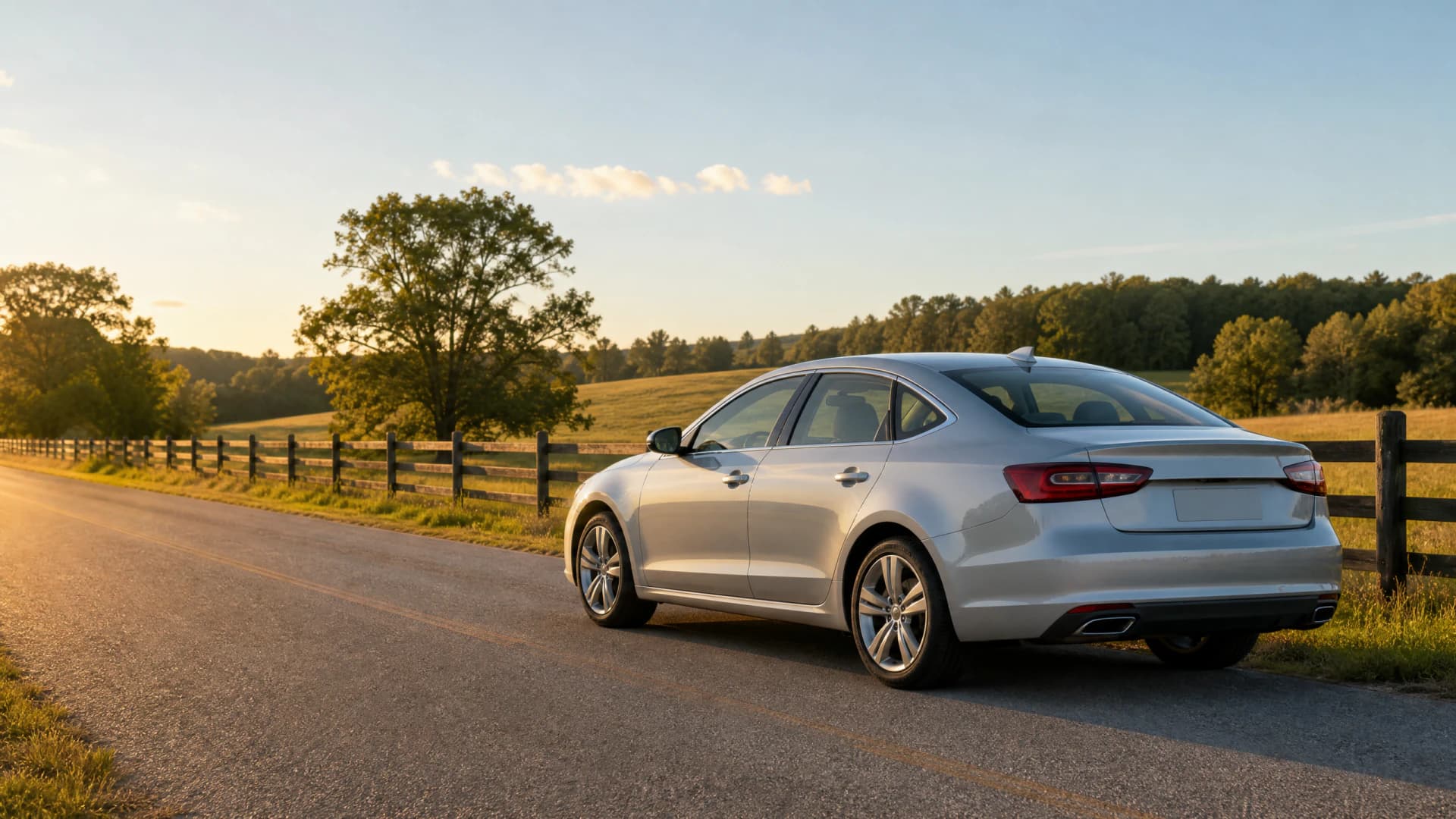
Carriers do not re-evaluate your collision coverage when your car's value drops or your mileage falls. The renewal perpetuates what the lien once required until you request the change.







State-Specific Quirks That Affect the Decision
Illinois requires uninsured motorist coverage, which pays when a driver with no insurance hits you. That coverage is part of the liability policy and continues whether you keep collision or drop it. Uninsured motorist bodily injury covers your medical bills and lost wages; uninsured motorist property damage is an optional endorsement that covers your vehicle repair when the at-fault driver has no insurance and you dropped your own collision coverage. If you drop collision, ask your agent whether adding uninsured motorist property damage makes sense as a lower-cost substitute.
Illinois also allows you to carry different deductibles for collision and comprehensive. Comprehensive claims for windshield damage, deer strikes, and theft are often filed with a lower deductible because they do not affect your rate the way an at-fault collision does. If you decide to keep both coverages, raising your collision deductible to $1,000 and leaving comprehensive at $250 can lower your premium while keeping protection for the non-collision risks that are harder to avoid.
One failure mode that surfaces in Naperville and other collar counties: retirees who park in a private garage and drive 5,000 miles per year sometimes keep comprehensive and drop collision, reasoning that theft and hail matter more than accident risk at low mileage. That works only if you are confident you can cover the repair cost out of pocket after an at-fault accident. Comprehensive without collision leaves you unprotected for the single most common claim type, and most carriers will not write that combination without a signed waiver.
25
Carriers Writing in Illinois
Twenty-five carriers write auto insurance in Illinois and compete for senior drivers. Not all offer the same mature-driver discount or low-mileage programs, and switching carriers when you drop collision can produce a lower liability-only rate than your current carrier offers. The comparison step matters whether you keep full coverage or move to liability-only.
Illinois Department of Insurance licensure data

What Happens at the Next Renewal
Dropping collision and comprehensive mid-term produces a prorated refund for the unused portion of the current six-month term. Most carriers process the change within two business days and mail the refund check within three weeks. Your new premium applies at the next renewal, and your declarations page will show liability, uninsured motorist, and any optional coverages you kept, with collision and comprehensive removed.
If you later decide to add collision or comprehensive back, the carrier will require a vehicle inspection to verify no existing damage before binding the coverage. Some carriers photograph the vehicle at your home; others require you to bring it to an inspection center. That inspection step is why most agents recommend making the decision deliberately rather than toggling coverage on and off across renewal cycles.
The Medicare and Medical Payments Consideration
Medical payments coverage, often called med-pay, pays your medical bills after an accident regardless of fault, up to the policy limit you select. Illinois does not require med-pay, and once you are enrolled in Medicare Part B, med-pay becomes secondary: Medicare pays first, and med-pay covers the deductible, coinsurance, and any bills Medicare does not cover. Many retirees keep a small med-pay limit such as $2,000 or $5,000 as a Medicare supplement rather than the $10,000 limit they carried while working. That adjustment can lower your premium by $40 to $80 per year and still cover the out-of-pocket costs Medicare leaves behind.
If you drop collision but keep a modest med-pay limit, your liability-only policy continues to cover your own medical bills and those of any passenger in your car. That combination handles the risk most retirees worry about without paying for vehicle-damage coverage on an asset whose replacement cost now sits within savings range.

Compare Liability-Only Quotes Across Carriers
Call your current carrier first and ask for a liability-only quote with uninsured motorist coverage and a modest med-pay limit. Write down the six-month premium. Then call or visit the websites of at least two other carriers writing in Illinois that offer mature-driver discounts: State Farm, GEICO, and Auto-Owners all write in the state and offer discounts for drivers over 55 who complete an approved defensive driving course. Ask each for a liability-only quote using the same coverage limits and compare the total cost, not just the base rate. Illinois law requires insurers to offer a mature-driver discount, and the amount is set by each carrier's filed rates, so ask explicitly what theirs is and whether completing a state-approved course would lower the quote further. Switching carriers when you drop collision can produce a lower liability-only rate than your current carrier offers even after applying their own senior discount.
Comparing the Two Paths in Naperville
Liability-only means you keep the legally required bodily injury and property damage coverage, plus uninsured motorist coverage which Illinois mandates. You drop collision and comprehensive. Your premium falls by the amount those two coverages cost, typically $600 to $1,000 per year for a paid-off sedan of moderate age driven lightly. If your car is damaged in an accident you cause, you pay the repair cost yourself. If the car is stolen or totaled by hail, you receive nothing from the carrier and replace the vehicle out of pocket.
Full coverage means you continue collision and comprehensive. Your premium stays where it is now. If your car is totaled, you receive the actual cash value minus your deductible. The financial test is simple: divide your annual collision and comprehensive premium by the net payout you would collect after the deductible. If that number is three years or fewer, you are paying premiums that equal or exceed one-third of the car's value annually. Many retirees decide that threshold does not justify the coverage and move the money to savings instead.
Get Your Free Quote
Get My Illinois Retiree Auto Insurance QuoteFrequently Asked Questions
Does Illinois require collision coverage once I pay off my car?
No. Illinois requires liability coverage ($25,000 bodily injury per person, $50,000 per accident, $20,000 property damage) and uninsured motorist coverage, but does not require collision or comprehensive once no lender holds a lien on the vehicle. You control whether those coverages still fit your situation.
What is the actual cash value of my car for insurance purposes?
Actual cash value is what your car would sell for today in its current condition, accounting for age, mileage, and wear. Carriers use valuation guides such as NADA or Kelley Blue Book to determine the payout ceiling for a total loss. Your agent can provide the figure the carrier would use if you filed a claim tomorrow.
Can I drop collision but keep comprehensive coverage in Illinois?
Most carriers allow it but require a signed waiver acknowledging you are unprotected for at-fault accidents. Comprehensive without collision works only if you can cover repair costs out of pocket after an accident you cause, since comprehensive covers only non-collision events such as theft, vandalism, and weather damage.
Will my premium drop immediately if I remove collision mid-term?
Yes. The carrier prorates the refund for the unused portion of the current term and processes the change within two business days in most cases. The refund check typically arrives within three weeks, and your new lower premium applies at the next renewal.
Does Medicare replace medical payments coverage on my auto policy?
Medicare Part B pays first after an auto accident, and medical payments coverage becomes secondary. Many retirees keep a small med-pay limit such as $2,000 to cover Medicare's deductible and coinsurance rather than dropping it entirely. Ask your agent whether reducing the limit rather than removing it makes sense as a Medicare supplement.
How do I know if my current carrier offers the best liability-only rate?
Request a liability-only quote from your current carrier, then compare it against quotes from at least two other carriers writing in Illinois that offer mature-driver discounts. State Farm, GEICO, and Auto-Owners all write in the state and discount for drivers over 55. Switching when you drop collision can produce a lower rate than staying with your current carrier.