
Full Coverage on Paid-Off Cars — Joliet, IL Retirees
Free to compare
The Discount You Got Is Not the Discount Available
You opened your renewal notice after completing the state-approved defensive driving course and your carrier applied a discount. Your premium dropped $18 a month. Then your neighbor mentioned she took the same course through the same provider and her premium dropped $47 a month with a different carrier. Both of you are over 65, both drive paid-off sedans in Joliet, both have clean records. The difference is not the course. The difference is the carrier.
Illinois law requires every insurer writing auto policies in the state to offer a mature-driver discount for insureds over 55. The mandate is clear. What the mandate does not do is fix the percentage. Under 215 ILCS 5/143.29, the insurer determines the appropriate reduction. One carrier files a 5% discount. Another files 12%. A third applies 8% for the age-based component and an additional 5% if you complete the course. The statute guarantees access to the discount, not parity across carriers.
“Illinois guarantees access to the mature-driver discount but does not standardize the percentage, so one carrier's 5% and another's 12% are both compliant.”

See What Illinois Retirees Pay Now
Get My Illinois Retiree Auto Insurance Quote55
Illinois Mature-Driver Age Floor
Illinois statute 215 ILCS 5/143.29 requires insurers to offer a mature-driver discount for insureds over 55, but the discount amount is set by the insurer's filed rating plan, not fixed by law.
215 ILCS 5/143.29
What the Mandate Actually Guarantees
The state mandate guarantees that you can ask for the discount and the carrier must have one on file. It does not guarantee you will receive the largest discount available in Illinois. Every carrier writing policies in the state files its mature-driver discount schedule with the Illinois Department of Insurance. Those filings are public, but carriers do not advertise their discount percentages prominently and agents rarely compare them for you.
Some carriers offer an age-based discount triggered automatically at 55. Others require completion of a state-approved defensive driving course. A few offer both: a smaller automatic reduction at 55 and a larger one if you complete the course. The course requirement is not standardized. One carrier accepts any Illinois-approved provider. Another restricts the list to three specific vendors. A third requires re-certification every three years or the discount disappears at renewal.
Because Illinois does not publish a unified discount-percentage table, the only way to know which carrier offers the largest reduction is to request quotes from multiple carriers writing in Joliet and compare the post-discount premium on identical coverage. The statute protects your eligibility. The filing determines your savings.
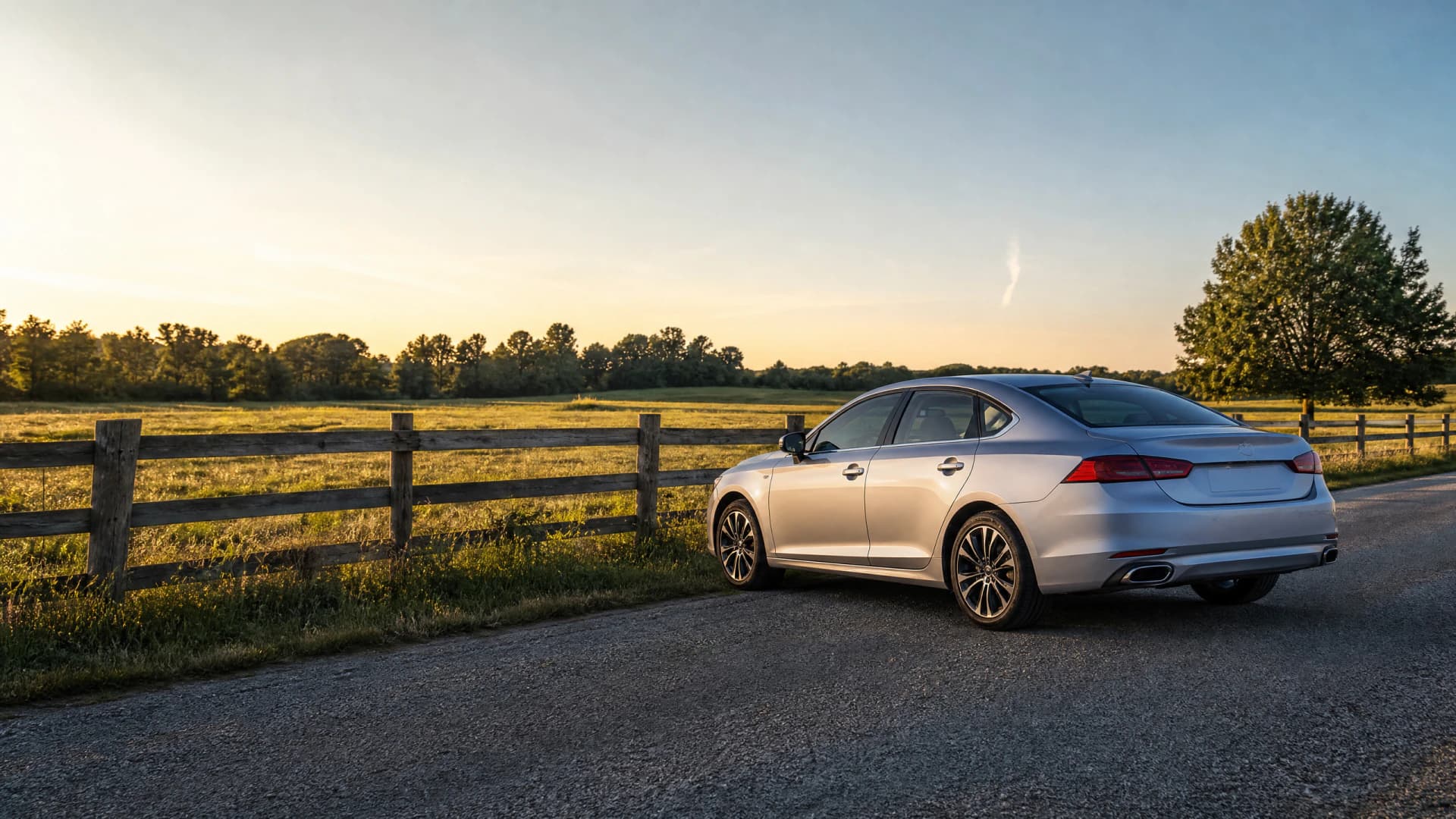
The blocker is informational: you cannot determine which carrier offers the largest mature-driver discount without requesting quotes, because Illinois does not require carriers to publish discount percentages.
Related Articles
Cheapest Car Insurance Retirees Joliet IL
6/14/2026
Mature Driver Discounts in Joliet IL
6/15/2026

Cheapest Car Insurance Retired Couples Joliet
6/14/2026

Car Insurance for Drivers Over 65 Joliet IL
6/15/2026

Cheapest Retiree Car Insurance Joliet IL
6/14/2026
Best Car Insurance for Retirees in Joliet IL
6/14/2026

The Paid-Off Vehicle Coverage Decision
Once the car is paid off, full coverage becomes a judgment call rather than a lender requirement. Full coverage in Illinois means liability plus collision plus comprehensive. Liability is mandatory: $25,000 per person for bodily injury, $50,000 per accident, $20,000 for property damage, and uninsured motorist coverage. Collision and comprehensive are optional once the loan is satisfied.
Collision pays for damage to your vehicle in an at-fault accident, minus your deductible. Comprehensive pays for theft, vandalism, weather damage, and animal strikes, also minus your deductible. The decision hinges on two numbers: your vehicle's current market value and your annual collision-plus-comprehensive premium. If your sedan is worth $6,000 and your combined collision and comprehensive premium is $480 a year with a $500 deductible, you are paying 8% of the vehicle's value annually to insure against a loss that would net you $5,500 after the deductible.
A common threshold among retirees is the 10% rule: if your annual collision and comprehensive premium exceeds 10% of your vehicle's current value, drop both and bank the premium savings. Your liability coverage continues in full. If you are in an at-fault accident, you pay out of pocket to repair or replace your own vehicle. If the other driver is at fault, their liability coverage pays for your damage. If an uninsured driver hits you, your uninsured motorist property damage coverage applies.
Medicare does not coordinate with auto medical payments coverage or personal injury protection. Illinois does not require PIP, but many carriers offer medical payments coverage as an optional addition. If you carry medical payments and are injured in an accident, that coverage pays first, then Medicare processes remaining eligible expenses. Some retirees drop medical payments to reduce premium, reasoning that Medicare Part B covers accident-related medical expenses. Others keep a small limit such as $5,000 to cover the Medicare Part B deductible and avoid out-of-pocket costs during the claim.
$25,000
Illinois Bodily Injury Minimum Per Person
Illinois requires $25,000 per person and $50,000 per accident for bodily injury liability, plus $20,000 property damage. Retirees with retirement assets often carry higher limits because the minimum does not shield assets in a serious at-fault accident.
625 ILCS 5/7-203

Low-Mileage and Usage-Based Programs
Retiring ends the commute, and most Joliet retirees drive 40% to 60% fewer miles than they did while working. Carriers price policies assuming annual mileage in the 12,000 to 15,000 range. If you now drive 6,000 miles a year, you are subsidizing higher-mileage drivers unless you enroll in a low-mileage or usage-based program.
Low-mileage programs apply a discount based on your stated annual mileage. You report your odometer reading at policy inception and renewal. The carrier applies a tiered discount: one percentage for under 7,500 miles, a larger one for under 5,000. Usage-based programs install a telematics device or use a smartphone app to track actual miles driven, plus factors like hard braking and time of day. The discount is calculated after the monitoring period, typically 90 days, and applied at renewal. Some carriers allow the mature-driver discount and the low-mileage discount to stack. Others apply only the larger of the two.
What to Do Right Now
Request quotes from four carriers writing in Joliet. Specify that you are over 55, provide your actual annual mileage, and ask for quotes with and without collision and comprehensive. For each quote, confirm the mature-driver discount percentage, whether it requires a course, and whether it stacks with a low-mileage program. Compare the post-discount premium on identical liability limits.
If your vehicle is paid off and worth less than ten times your annual collision-plus-comprehensive premium, model the cost of dropping both and carrying liability only. If you keep collision, consider raising your deductible to $1,000. The premium reduction often pays for the higher deductible within two years. Verify with each carrier that your uninsured motorist coverage matches your liability limits. Illinois requires uninsured motorist coverage, but the limit must be selected explicitly and some policies default to the state minimum rather than matching your liability selection.
Comparing Carriers Writing in Joliet
Start with carriers known to write preferred and standard business for seniors: State Farm, Allstate, Nationwide, Auto-Owners, Erie, and USAA if you qualify for membership. State Farm and USAA both offer online quoting and list SR-22 capability, which signals they underwrite a range of profiles. Auto-Owners and Erie are agent-only but both carry AM Best A+ ratings and write in Illinois. Request quotes from at least four carriers on identical coverage: same liability limits, same deductibles, same vehicle.
For each quote, confirm three details before comparing premiums. First, ask whether the mature-driver discount is age-based, course-based, or both, and what the filed percentage is. Second, ask whether the discount renews automatically or requires re-certification. Third, ask whether the carrier offers a low-mileage or usage-based program and whether it stacks with the mature-driver discount. Some carriers allow stacking; others apply the larger of the two.
Get Your Free Quote
Get My Illinois Retiree Auto Insurance QuoteFrequently Asked Questions
Does Illinois require a defensive driving course for the mature-driver discount?
Illinois law requires insurers to offer a mature-driver discount for drivers over 55 but does not mandate a course. Some carriers base the discount on age alone. Others require completion of a state-approved defensive driving course. A few offer both: a smaller automatic discount at 55 and a larger one after course completion.
Can I stack the mature-driver discount with a low-mileage discount in Illinois?
Stacking rules vary by carrier. Some Illinois insurers allow the mature-driver discount and low-mileage discount to apply simultaneously. Others apply only the larger of the two. Ask each carrier during quoting whether their filed rating plan permits stacking.
How do I know if my car is worth keeping collision coverage on?
Compare your vehicle's current market value to your annual collision and comprehensive premium. If the premium exceeds 10% of the vehicle's value, many retirees drop both coverages and carry liability only. Your deductible further reduces the net payout in a total-loss claim.
Does Medicare cover me if I am injured in a car accident in Illinois?
Medicare Part B covers accident-related medical expenses, but auto medical payments coverage or PIP pays first if you carry it. Some retirees keep a small medical payments limit to cover the Medicare Part B deductible. Others drop it to reduce premium, knowing Medicare will process eligible expenses after any auto coverage exhausts.
Which Joliet carriers offer the largest mature-driver discounts?
Illinois does not publish a unified discount table. Carriers file their mature-driver discount schedules with the Department of Insurance, but the percentages are not advertised. The only way to compare is to request quotes from multiple carriers and ask each one for the filed discount amount.
Do I need to retake the defensive driving course every renewal?
Course recertification requirements vary by carrier. Some Illinois insurers require re-certification every three years or the discount disappears. Others apply the discount indefinitely after one course completion. Confirm the recertification rule with your carrier when you submit the completion certificate.