
Cheapest Car Insurance for Retirees — Joliet, IL
Free to compare
The Premium That Never Dropped After Retirement
You opened your renewal notice last month and saw the same rate you've carried for years, even though you stopped commuting in 2019 and your mileage dropped by two-thirds. The agent never mentioned a retiree discount, and the policy summary shows no change from last year despite your clean record and reduced driving. You suspect you're overpaying, and you're right.
Most Joliet carriers writing coverage for retirees offer mature-driver and low-mileage discounts, but Illinois law does not force automatic enrollment. The discount exists because 215 ILCS 5/143.29 requires insurers to offer one for drivers over 55, but the statute sets no percentage and carriers decide the amount in their own filings. Unless you ask, submit documentation, or switch carriers during a comparison, the discount never appears on your policy.
“The statute creates a mandate, not an automatic enrollment pathway, so drivers who qualify by age alone may never know the discount exists unless they ask.”

See What Illinois Retirees Pay Now
Get My Illinois Retiree Auto Insurance Quote55
Illinois Mature-Driver Age Floor
215 ILCS 5/143.29 requires insurers to offer a discount for drivers 55 and older, but the law does not fix the percentage. Each carrier files its own amount, and you must request it at renewal or quote time.
215 ILCS 5/143.29
Why the Discount Never Applied Automatically
The statute creates a mandate, not an automatic enrollment pathway. Carriers must offer the discount, but they are not required to apply it without a request, a defensive-driving certificate, or both depending on the carrier's internal eligibility rules. Some base it purely on age and require only verification at the time of quote. Others require completion of a state-approved defensive driving course and will not apply the discount until you submit the certificate.
This creates a structural gap: drivers who qualify by age alone may never know the discount exists unless they ask or switch carriers during a comparison. Drivers who complete the course but never submit the certificate to their current carrier keep paying the higher rate indefinitely. The renewal notice does not flag missing discounts, and most agents do not audit existing policies proactively for newly eligible retirees.
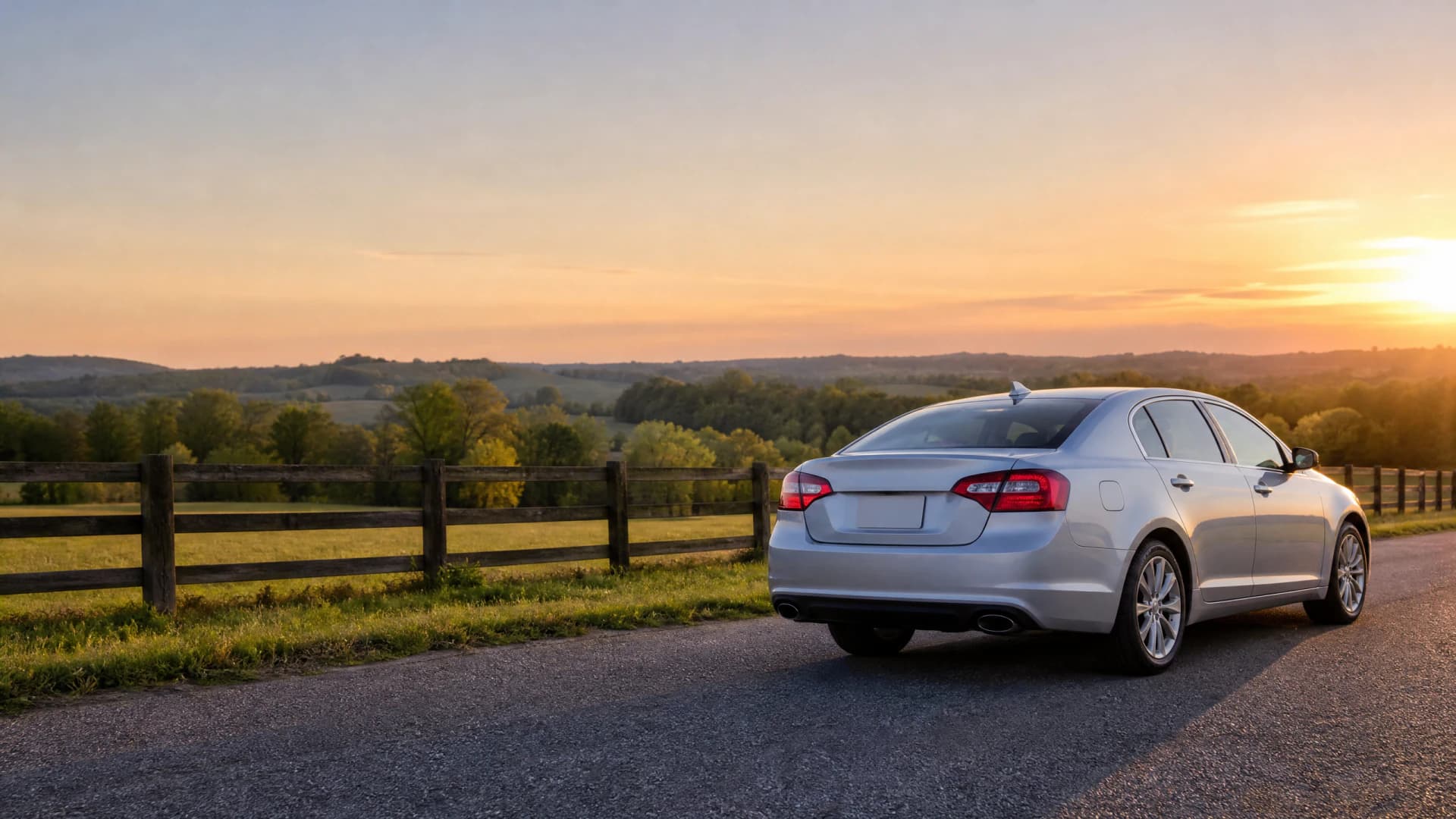
Your carrier will not tell you the discount exists. The renewal notice shows the rate, not the discounts you qualify for but never claimed.
Related Articles

Cheapest Car Insurance Retirees Joliet IL
6/14/2026

Cheapest Car Insurance Retired Couples Joliet
6/14/2026

Best Car Insurance for Retirees in Joliet IL
6/14/2026

Joliet IL Retiree Insurance Discounts
6/15/2026
Car Insurance for Drivers Over 65 Joliet IL
6/15/2026

Mature Driver Discounts in Joliet IL
6/15/2026

How to Qualify and What Documentation Carriers Require
Age-based eligibility is straightforward: you turned 55 or older, and the carrier verifies your birthdate from your driver's license at the time of quote or policy change. No additional documentation is required unless the carrier's filing mandates a course. Check your current policy documents or call your agent to confirm whether your carrier requires a course or applies the discount based on age alone.
Course-based eligibility requires completion of a state-approved defensive driving program. Illinois does not maintain a single statewide approval list, so ask your carrier which providers they accept before enrolling. AARP, AAA, and NSC (National Safety Council) courses are widely accepted, but some carriers reject online-only formats or require in-person attendance. The course certificate typically expires after three years, and you must complete a refresher to maintain the discount at renewal. If you completed a course in 2021 and your certificate expired in 2024, the discount disappears unless you re-enroll and submit a new certificate before your next renewal date.
Low-mileage programs require either odometer photos submitted at renewal or installation of a telematics device that reports mileage electronically. If you refuse the device, most carriers allow manual mileage reporting, but you must verify the odometer reading annually or the program defaults to standard rates. Missing the verification window means paying full commuter-era rates for the next 12 months, even if you drove 5,000 miles.
$25,000
Illinois Bodily Injury Minimum Per Person
Illinois requires $25,000 per person, $50,000 per accident, and $20,000 property damage. Retirees with retirement savings or home equity often carry higher limits because the state minimum does not cover most at-fault accidents involving injury.
Illinois insurance code, state minimum liability requirements

Whether Full Coverage Still Earns Its Cost
If your vehicle is paid off and worth less than $5,000, collision and comprehensive premiums often exceed the maximum claim payout over two to three years. A 2014 sedan with 110,000 miles and a market value of $3,200 generates a collision premium around $400 to $600 annually depending on your deductible and carrier. A total-loss claim pays the actual cash value minus the deductible, so the net payout on a $3,200 vehicle with a $500 deductible is $2,700. After five years of premiums, you've paid more than the vehicle is worth.
Liability coverage protects your assets in an at-fault accident, and that risk does not decrease when the car is paid off. If you carry retirement savings, own your home, or hold other assets an injury plaintiff can reach in a judgment, dropping liability to the state minimum exposes everything above $25,000 per person. Collision and comprehensive are vehicle-value decisions; liability is an asset-protection decision.
Compare Carriers Before Your Next Renewal
Your current carrier may offer a mature-driver discount, but another Joliet carrier may file a higher percentage or combine it with a low-mileage program your current insurer does not offer. Request quotes from at least three carriers writing standard-tier coverage in Illinois and ask each one what their mature-driver discount percentage is, whether it requires a course, and whether their low-mileage program stacks with it. The difference between a carrier that files a 5% age-based discount and one that files 10% plus a mileage reduction can exceed $300 annually on identical coverage.
Bind the new policy before you cancel the old one. Illinois tracks insurance lapses electronically, and even a one-day gap triggers a registration suspension notice from the Secretary of State. The new carrier will file proof of insurance electronically when the policy binds, but canceling your old policy first creates a gap the state's system flags immediately. Ask the new carrier to make the effective date the day after your current policy expires, then cancel the old policy once the new one is active.
Which Joliet Carriers Offer Mature-Driver Programs
State Farm, GEICO, Progressive, Allstate, and Travelers all write standard-tier coverage in Joliet and offer mature-driver discount programs, but the basis differs. State Farm and Allstate typically require completion of a state-approved defensive driving course and will not apply the discount based on age alone. GEICO and Progressive offer both age-based and course-based pathways, with the course-based amount usually higher. Travelers bases eligibility on age and clean driving record without requiring a course. All five offer online quotes, so you can compare what each files as their mature-driver amount before switching.
For drivers who no longer commute, GEICO, Progressive, and Allstate offer usage-based or low-mileage programs that track actual miles driven or allow you to self-report annual mileage at renewal. If you drive under 7,500 miles per year, these programs often reduce premiums more than the mature-driver discount alone. Ask at quote time which program stacks with the age-based discount and which requires you to choose one or the other.
Get Your Free Quote
Get My Illinois Retiree Auto Insurance QuoteFrequently Asked Questions
Does Illinois require car insurance companies to offer senior discounts?
Yes. 215 ILCS 5/143.29 requires insurers to offer a mature-driver discount for drivers over 55, but the law does not fix the percentage. Each carrier files its own amount, and you must request it at quote or renewal time. The discount is not applied automatically unless you ask or submit required documentation.
Do I need to take a defensive driving course to get the Illinois senior discount?
It depends on the carrier. Some Illinois insurers apply the mature-driver discount based on age alone once you turn 55. Others require completion of a state-approved defensive driving course and will not apply the discount until you submit the certificate. Ask your carrier or agent which pathway applies to your policy.
How much does the mature-driver discount save in Illinois?
The amount is set by each carrier's filing, not by state law. Illinois requires insurers to offer the discount but does not fix a percentage. Some carriers file 5%, others file 10% or more, and course-based discounts are often higher than age-based ones. Ask each carrier what their filed amount is when you request a quote.
Can I stack the mature-driver discount with a low-mileage program?
Some Illinois carriers allow stacking, others make you choose. GEICO, Progressive, and Allstate all offer both programs, but their rules differ on whether you can combine them. Ask at quote time which discounts stack and which are mutually exclusive.
What happens if my defensive driving certificate expires before renewal?
The mature-driver discount disappears from your policy at the next renewal unless you complete a refresher course and submit a new certificate. Most certificates expire after three years. If yours expired and you did not re-enroll, your carrier reverts to the higher rate without the discount.
Should I drop collision coverage on a paid-off car?
If the vehicle's market value is under $5,000, collision premiums often exceed the maximum claim payout over two to three years. A total-loss claim pays actual cash value minus your deductible, so the net payout on a $3,200 vehicle with a $500 deductible is $2,700. After five years of premiums, you've paid more than the car is worth.