
Usage-Based Car Insurance — Evanston, IL
Free to compare
Why Your Premium Hasn't Dropped With Your Mileage
You've been retired for two years. Your commute to Chicago vanished overnight. You drive to the grocery store, the doctor's office, maybe a Sunday visit to family in Skokie. Your odometer confirms what you already know: you're driving a fraction of the miles you covered during your working years. Yet your car insurance premium sits exactly where it was, or higher.
Traditional auto insurance pricing treats you the same as a driver logging 15,000 miles annually. The premium reflects a mileage estimate you gave your carrier three years ago, and unless you call to update it, that number never changes. Usage-based insurance programs claim to fix this mismatch by tracking actual miles and adjusting your rate accordingly. The catch most retirees discover too late: these programs operate through a smartphone app that monitors far more than just your odometer.
“The app monitors every trip once enrolled, or penalizes incomplete data as hidden risk.”

See What Illinois Retirees Pay Now
Get My Illinois Retiree Auto Insurance Quote25
Carriers Writing Illinois Auto
Evanston residents can compare quotes from 25 carriers licensed in Illinois, including national and regional insurers. Not all offer usage-based programs, and those that do vary significantly in what data they collect and how intrusive the monitoring feels to drivers who value privacy.
Illinois Department of Insurance carrier database
What Usage-Based Programs Actually Monitor
A usage-based insurance program calculates your premium based on how you drive, not demographic averages. Carriers present this as a mileage tracker. What they monitor depends on the program tier. Low-mileage programs track total miles only. Full telematics programs track mileage, time of day, hard braking, rapid acceleration, and GPS location data.
The monitoring happens through a smartphone app you download and keep running while you drive, or a plug-in device installed in your vehicle's diagnostic port. Progressive Snapshot, State Farm Drive Safe & Save, Allstate Drivewise, and GEICO DriveEasy all operate via smartphone app in Illinois. Each requests location permissions, accelerometer access, and background data usage. Your phone becomes the monitoring device.
Most carriers describe the program as voluntary and frame the data collection as minimal. The app privacy policies tell a different story. Location data logs every trip start and end point. Accelerometer data flags hard braking events, which the carrier interprets as risky driving regardless of whether you braked to avoid a collision or because a traffic light turned yellow. Time-of-day tracking penalizes night driving, a category that includes evening errands retirees make to avoid daytime traffic.
The mismatch becomes clear after enrollment: you expected a low-mileage verification system, you received a comprehensive behavioral monitoring program. No carrier explains the full data scope during the enrollment phone call. The disclosure appears in the app's terms of service, a document most users never read until the first hard-braking alert arrives.
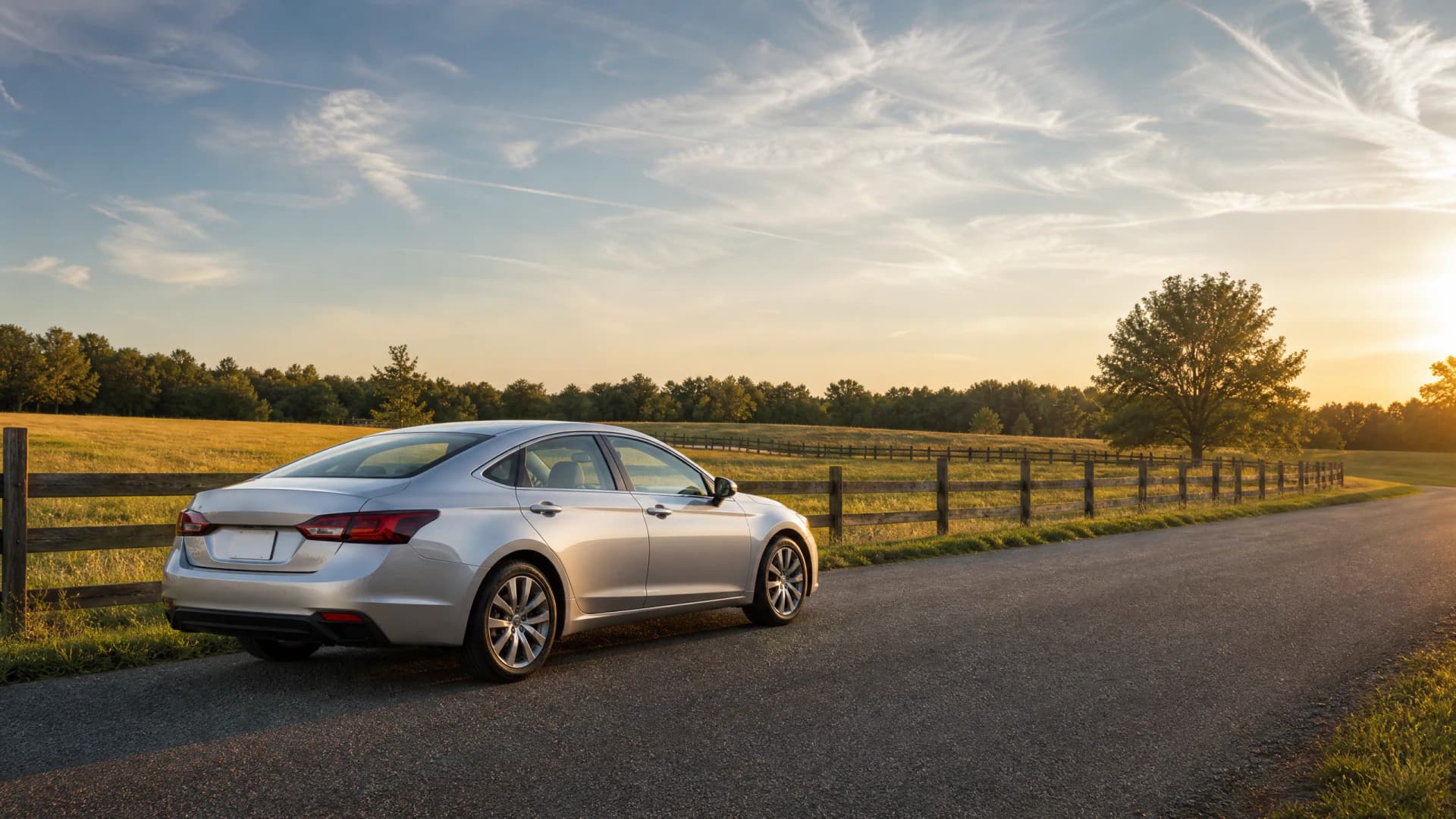
You cannot turn off trip monitoring selectively. The app tracks every drive once enrolled, or it penalizes you for incomplete data as though you were hiding risky behavior.







Enrollment Mechanics and Data-Sharing Consent
Enrollment begins with a conversation with your agent or a prompt during online renewal. The carrier positions the program as optional and frames the discount as guaranteed. What the enrollment conversation omits: you must consent to data sharing as a condition of participation, and withdrawing from the program mid-term can forfeit any discount earned to date.
After you agree to enroll, the carrier sends a link to download the app. The app requests permissions during installation: location access, motion and fitness data, background app refresh, and notification delivery. Denying any permission renders the app nonfunctional. The carrier interprets missing data as non-participation and removes your discount eligibility. You cannot selectively disable GPS tracking while keeping mileage monitoring active.
Data-sharing consent extends beyond the carrier. App privacy policies disclose that anonymized driving data may be shared with third-party analytics platforms, though carriers do not specify which platforms or for what purpose. The policies reserve the right to share data with affiliates, a term broad enough to include the carrier's parent company, subsidiary insurers, and marketing partners. Illinois law does not prohibit this sharing as long as personally identifiable information is stripped before transfer.
Withdrawing from a usage-based program requires contacting your agent or carrier directly. The app itself provides no opt-out mechanism. Upon withdrawal, your rate reverts to the standard premium, and any discount accrued during the monitoring period disappears. Some carriers apply the reversion retroactively to the policy period start date, meaning you owe the difference between the discounted and standard premium as a mid-term adjustment. Confirm the withdrawal terms in writing before you disenroll.
$25,000
Illinois Bodily Injury Minimum Per Person
Retirees evaluating liability insurance in Illinois face a $25,000 per-person minimum that leaves retirement assets exposed in an at-fault accident. Usage-based programs discount the premium you pay, but they do not change the coverage limits you need to protect your household from a liability judgment.
625 ILCS 5/7-203

What Happens When the App Flags Your Driving
Full telematics programs assign a driving score based on the events the app detects. Hard braking, rapid acceleration, and night driving all reduce your score. The score updates weekly or monthly, and the carrier uses the final score at renewal to calculate your discount or surcharge. The methodology behind the score remains proprietary. Carriers do not publish the thresholds that define a hard-braking event or explain how much weight night driving carries in the algorithm.
Retirees report frustration with events the app flags as risky. Braking for a yellow light in Evanston's downtown corridor registers as hard braking. Merging onto the Edens Expressway triggers a rapid-acceleration alert. Driving to a 7 p.m. dinner reservation counts as night driving, even though the route and speed were identical to a midday trip. The app provides no mechanism to contest a flagged event or explain the context. The score adjusts downward, and the discount shrinks at renewal.
Comparing Carriers Without Installing the App First
You can compare usage-based program structures across carriers before committing to one. State Farm, Progressive, Allstate, and GEICO all provide program summaries on their Illinois auto insurance pages, though the summaries omit the data-sharing and scoring details buried in app terms of service. Call each carrier's Illinois line and ask specific questions: does the program monitor location, does it track time of day, can you withdraw mid-term without penalty, and does a low score increase your premium or simply reduce your discount?
Request a quote with and without the usage-based program enabled. The difference shows the maximum discount available if your driving score hits the program's ceiling. If the gap is $8 per month and the program monitors your location on every trip, the privacy trade-off may not justify the savings. If the gap is $40 per month and the program tracks mileage only, the calculation shifts. Carriers writing in Evanston include low-mileage specialists like Nationwide SmartMiles alongside full-telematics providers like Progressive Snapshot. The program structure matters more than the carrier name when your priority is minimizing data collection.

Your Next Step
Request quotes from three carriers writing in Illinois: one offering a low-mileage program, one offering full telematics, and one with no usage-based option at all. Compare the premium difference against the data each program collects. If your mileage dropped but your driving patterns remain consistent, a low-mileage program may deliver the discount you're after without location tracking. If your mileage stayed the same but you want to test a telematics program, confirm in writing that withdrawing mid-term will not trigger a retroactive surcharge. Start the comparison now, before your renewal date arrives and the decision compresses into a phone call you're not prepared for.
How Illinois Carriers Structure Usage-Based Programs
Low-mileage programs verify annual mileage only, typically through odometer photos you submit at renewal or periodic app check-ins. State Farm Steer Clear and Nationwide SmartMiles operate this way in Illinois. You receive a discount proportional to how far below the standard mileage threshold you fall. These programs do not monitor braking, acceleration, or trip timing. Privacy-conscious retirees who simply want credit for driving 5,000 miles instead of 12,000 prefer this structure. The savings ceiling is lower than full telematics programs, but the data collected stays minimal.
Full telematics programs monitor mileage, trip timing, braking patterns, acceleration events, and GPS routes. Progressive Snapshot, Allstate Drivewise, GEICO DriveEasy, and State Farm Drive Safe & Save all fall into this category. The carrier uses the data to assign a driving score, which determines your discount or surcharge at renewal. High scores can produce savings exceeding what low-mileage programs offer. Low scores can increase your premium above your pre-enrollment rate, even if your mileage dropped. The app notifies you of hard-braking and rapid-acceleration events in real time, framing them as coaching. Retirees report finding the notifications intrusive and the scoring methodology opaque.
Get Your Free Quote
Get My Illinois Retiree Auto Insurance QuoteFrequently Asked Questions
Can I turn off GPS tracking in a usage-based insurance app?
No. Usage-based insurance apps require location permissions to function, and denying access makes the app inoperable. Carriers interpret missing location data as non-participation and remove your discount eligibility. You cannot selectively disable GPS while keeping mileage tracking active.
What counts as hard braking in a telematics program?
Carriers do not publish the deceleration threshold that defines hard braking. The app uses your phone's accelerometer to detect rapid speed reduction, regardless of whether you braked to avoid a collision or because a traffic light changed. Braking for normal driving conditions in urban areas like Evanston frequently triggers hard-braking alerts.
Will my premium increase if my driving score is low?
It depends on the carrier. Some programs reduce your discount but keep your rate at or below your pre-enrollment premium. Others apply a surcharge if your score falls below a threshold, meaning your rate can exceed what you paid before enrolling. Confirm the carrier's surcharge policy in writing before you install the app.
Can I cancel a usage-based program mid-term without penalty?
Most carriers allow withdrawal, but the terms vary. Some revert your rate to the standard premium immediately and forfeit any discount earned during the monitoring period. Others apply the reversion retroactively to the policy start date, creating a mid-term balance due. Request the withdrawal terms in writing before you enroll.
Does Illinois law require carriers to offer usage-based discounts?
No. Illinois does not mandate usage-based or low-mileage programs. Insurers are required by state law to offer a mature-driver discount, but the amount is set by each carrier's filed rates, not fixed by statute. Usage-based programs are voluntary offerings, and participation is optional.
What data does a low-mileage program collect compared to full telematics?
Low-mileage programs verify annual mileage only, typically through odometer photos or periodic app check-ins, without monitoring braking, acceleration, or trip timing. Full telematics programs track mileage, GPS location, time of day, hard braking, and rapid acceleration on every trip. Privacy-conscious retirees who want credit for reduced mileage without behavioral monitoring prefer low-mileage structures.