
Retiree Car Insurance After Dropping a Second Vehicle — Cicero, IL
Free to compare
When the Premium Doesn't Drop After You Return the Plates
You turned in the plates on your second vehicle at the Secretary of State office in Cicero, expecting your six-month premium to drop. Two weeks later the renewal notice arrives and the price is within $15 of what you paid before. The car is gone, the registration is canceled, and you're still paying nearly the same amount.
The blocker is procedural, not actuarial. Surrendering plates to the Secretary of State cancels the registration, but your insurance carrier treats vehicle deletion as a separate policy transaction requiring formal amendment. Until you request that amendment in writing or through your agent, the carrier's system still prices your policy as if two vehicles sit in the garage, and the multi-car discount structure remains locked in place.
“Surrendering plates cancels registration, but your insurer treats vehicle deletion as a separate transaction requiring formal amendment.”

See What Illinois Retirees Pay Now
Get My Illinois Retiree Auto Insurance Quote25
Carriers Writing Illinois Auto
Twenty-five carriers actively write personal auto coverage in Illinois, and amendment procedures vary widely. Some process vehicle deletions online within 24 hours; others require agent submission and underwriting review, adding 5-10 business days to the adjustment window.
Illinois Department of Insurance carrier licensure database
Why Multi-Car Discount Structure Survives Vehicle Removal
Illinois carriers build multi-car discounts into the base policy structure, not as line-item adjustments applied at billing. When you insure two vehicles under one policy, the system prices both vehicles at a reduced per-vehicle rate compared to insuring each separately. Removing one vehicle doesn't automatically shift the remaining vehicle to single-car pricing; the policy amendment must trigger underwriting re-rating.
Carriers treat vehicle deletion as a mid-term endorsement. That endorsement removes the deleted vehicle's premium component but also recalculates the discount tier for the remaining vehicle. If your two-vehicle policy carried a 20 percent multi-car discount and you drop to one vehicle, the remaining vehicle loses that discount percentage and reprices at the single-vehicle base rate. The net result is a smaller premium drop than most retirees expect.
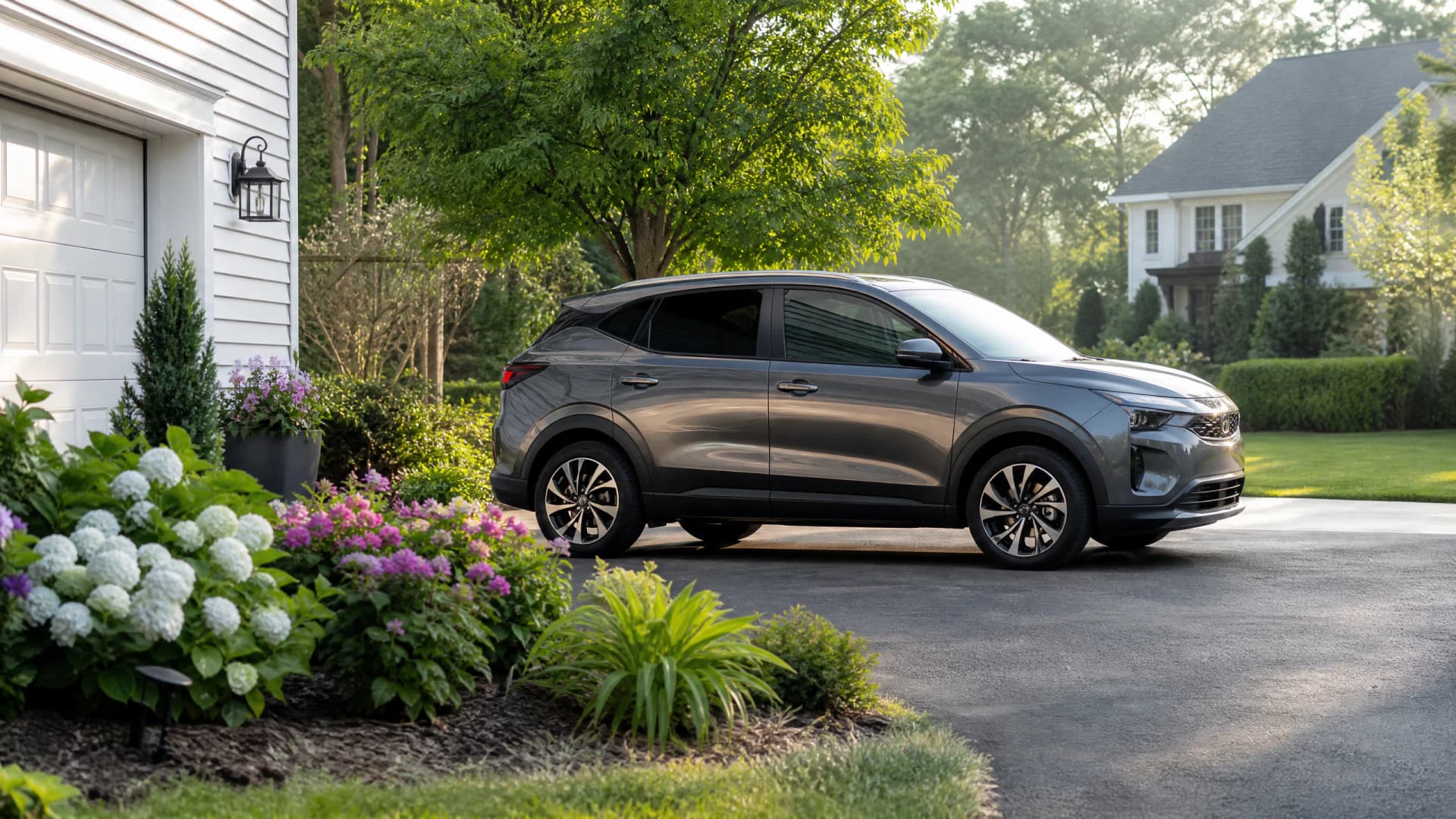
The unresolved obstacle: your carrier has not received formal instruction to delete the vehicle from the policy, so the system continues to rate and bill as if two vehicles remain insured.
Related Articles





Coverage Fit on the Remaining Vehicle After Deletion
Dropping from two vehicles to one changes the coverage-fit calculus, especially for retirees driving a paid-off car well below replacement-cost threshold. The vehicle you kept may no longer justify collision coverage or comprehensive coverage if its market value sits below $3,000 and you can self-insure minor damage or total loss.
Illinois requires $25,000 per person and $50,000 per accident in bodily injury liability, plus $20,000 property damage liability, and uninsured motorist coverage. Those minimums protect others and meet legal compliance but offer minimal protection for your own assets if you cause a serious accident. Retirees with retirement accounts or home equity often carry $100,000 per person and $300,000 per accident to shield those assets from judgment risk.
Medical payments coverage overlaps with Medicare for most retirees, but Medicare does not cover passengers in your vehicle. If you frequently drive a spouse, neighbor, or grandchild, retaining $5,000 in medical payments coverage closes that gap. Ask your carrier how medical payments coordinates with Medicare: some policies apply med-pay first and Medicare second; others reverse that order, affecting out-of-pocket exposure.
$25,000
Illinois Bodily Injury Minimum Per Person
The state's $25,000 per person minimum offers minimal protection in a serious accident. A retiree with significant retirement savings or home equity carries substantially higher limits to protect those assets from judgment claims that exceed the minimum.
625 ILCS 5/7-203

When Mature-Driver and Low-Mileage Discounts Disappear at Amendment
Vehicle deletion triggers a full policy re-rating, and discounts previously applied under the two-vehicle structure do not always transfer automatically. The mature-driver discount tied to a defensive driving course completion may require re-submission of your certificate if the carrier's system treats the amendment as a new policy term. Illinois statute requires insurers to offer the discount but does not fix the percentage; each carrier sets its own amount, and you must verify that the deletion endorsement preserves it.
Low-mileage and usage-based programs tied to telematics devices may reset at amendment. If you enrolled in a program that discounts based on annual mileage below 7,500 miles, confirm with your agent that the device reading and discount tier carry forward to the single-vehicle policy. Some carriers require program re-enrollment after any mid-term policy change, and skipping that step means losing the discount at the next renewal even though your mileage hasn't changed.
Comparing Carriers After You Drop to One Vehicle
Once you're insuring a single vehicle, the carrier comparison landscape shifts. Carriers that priced competitively for two-vehicle households may not offer the same advantage for single-vehicle retirees, and carriers specializing in mature-driver and low-mileage profiles often beat your current rate by 15 to 25 percent when you're no longer subsidizing a multi-car discount structure.
Request quotes from at least three carriers writing Illinois auto coverage. Provide your current coverage limits, the vehicle's year and mileage, your driving record, and confirmation that you've completed an approved defensive driving course if applicable. Ask each carrier how they apply the mature-driver discount: some treat it as automatic at age 55, others require course completion, and the statutory requirement under 215 ILCS 5/143.29 means the insurer determines the appropriate reduction, so the percentage varies. Compare the total six-month premium after all discounts, not the base rate before adjustments.

Next Step: Request the Amendment and Confirm the New Rate
Call your carrier or agent today and request a vehicle deletion endorsement effective the date you surrendered the plates. Have the plate surrender receipt from the Secretary of State ready to provide by email or fax. Ask for the revised six-month premium total and confirm that your mature-driver discount and any mileage-based program enrollment transferred to the single-vehicle policy. If the adjusted premium still feels high for one lightly driven vehicle, request quotes from carriers known for competitive senior and low-mileage pricing in Illinois and compare the coverage structures side by side.
How to Request Vehicle Deletion and Trigger Re-Rating
Contact your agent or the carrier's policyholder service line and state that you want to delete a specific vehicle from the policy, identified by VIN. Request a mid-term endorsement effective the date you surrendered the plates. The carrier will ask for proof: the plate surrender receipt from the Secretary of State office showing the transaction date and the vehicle identification number. Without that receipt, most carriers default the deletion effective date to the date you call, not the date you actually turned in the plates, costing you days or weeks of premium.
Ask the agent to confirm the new premium amount before processing the endorsement. The carrier should provide a revised six-month or annual total reflecting single-vehicle pricing. If the quoted adjustment is smaller than you expected, ask whether the mature-driver discount and low-mileage program enrollment carried over to the repriced policy. Illinois law requires insurers to offer a mature-driver discount under 215 ILCS 5/143.29, and the deletion amendment is a common point where previously applied discounts get dropped from the new rating unless you verify.
Get Your Free Quote
Get My Illinois Retiree Auto Insurance QuoteFrequently Asked Questions
How long does it take for my premium to adjust after I remove a vehicle in Illinois?
Most Illinois carriers process vehicle deletion endorsements within 3 to 7 business days once they receive your plate surrender receipt and formal deletion request. The effective date of the premium adjustment should match the date you turned in the plates, not the date you called the carrier. Ask your agent to confirm the effective date in writing to avoid paying for coverage on a vehicle you no longer own.
Will dropping from two cars to one car always lower my insurance premium?
Yes, but the reduction is often smaller than expected because the remaining vehicle loses the multi-car discount and reprices at single-vehicle rates. A two-vehicle policy with a 20 percent multi-car discount may see only a 30 to 40 percent total premium drop after deleting one vehicle, not the 50 percent reduction most retirees anticipate. Request a revised quote before processing the deletion to avoid surprise.
Do I need to notify my insurance company if I surrender plates to the Illinois Secretary of State?
Yes. Surrendering plates to the Secretary of State cancels your vehicle registration but does not automatically notify your insurance carrier or trigger a policy amendment. You must contact your carrier or agent separately and request a vehicle deletion endorsement with proof of plate surrender to stop paying premium on the deleted vehicle.
Can I keep collision coverage on one car and drop it on another under the same Illinois policy?
Yes, Illinois carriers allow different coverage selections for each vehicle on a multi-car policy. You can carry collision coverage on a newer financed vehicle and drop it on an older paid-off car. When you delete the older vehicle entirely, verify that the coverage structure on the remaining vehicle matches your current needs and asset exposure.
What happens to my mature-driver discount when I remove a vehicle from my policy?
The discount should transfer to the remaining vehicle, but Illinois carriers sometimes require re-verification of your defensive driving course certificate when processing a mid-term policy amendment. Confirm with your agent that the mature-driver discount applied under the two-vehicle policy carries forward to the single-vehicle rate. The insurer sets the discount percentage under 215 ILCS 5/143.29, so verify the amount at the time of deletion.