
Retiree Auto Insurance Savings — Illinois
Free to compare
The Premium That Did Not Follow Your Mileage
You retired six months ago. Your commute disappeared, your annual mileage dropped from 15,000 to 6,000, and your policy renewed at the same rate—or higher. The carrier never asked whether anything changed, and your agent never mentioned programs for drivers who no longer work full-time.
Illinois law requires every insurer writing auto policies in the state to offer a mature-driver discount to qualifying seniors. The statute does not fix the percentage; each carrier sets its own amount. What the law does not require: automatic application. Most insurers apply the discount only when you request it, submit proof of course completion, or affirmatively declare your reduced mileage during a policy review.
“Illinois law requires the discount, but most insurers apply it only when you request it—qualification alone does not trigger the reduction.”

See What Illinois Retirees Pay Now
Get My Illinois Retiree Auto Insurance Quoteage 55
Illinois Mature-Driver Eligibility
Under 215 ILCS 5/143.29, insurers must offer a discount to insureds over 55, with the percentage set by carrier filing. The discount does not apply automatically; you request it when renewing or at any policy change.
215 ILCS 5/143.29
Why Carriers Wait for You to Ask
The statute obligates insurers to make the discount available, not to search your file for eligibility and apply it unsolicited. Rating systems pull birth date from your application, but most do not trigger an age-based discount without a supporting action: course-completion certificate submission, mileage declaration update, or explicit request during renewal.
This creates a structural gap. A retired driver qualifies the day they turn 55, but unless they know to ask or complete an approved defensive-driving course, the discount sits unused. Competing pages frame this as a discovery problem—find the discount, then call your agent. The real problem is procedural: the discount exists in your policy's rate manual, but the request step sits between you and the reduction.
Some carriers offer an age-based mature-driver discount that applies once you confirm eligibility. Others require completion of a state-approved defensive-driving course before the discount appears. Illinois does not mandate one pathway over the other; insurers choose which structure to file. Your current carrier may offer one, both, or neither until you ask which applies to your policy.
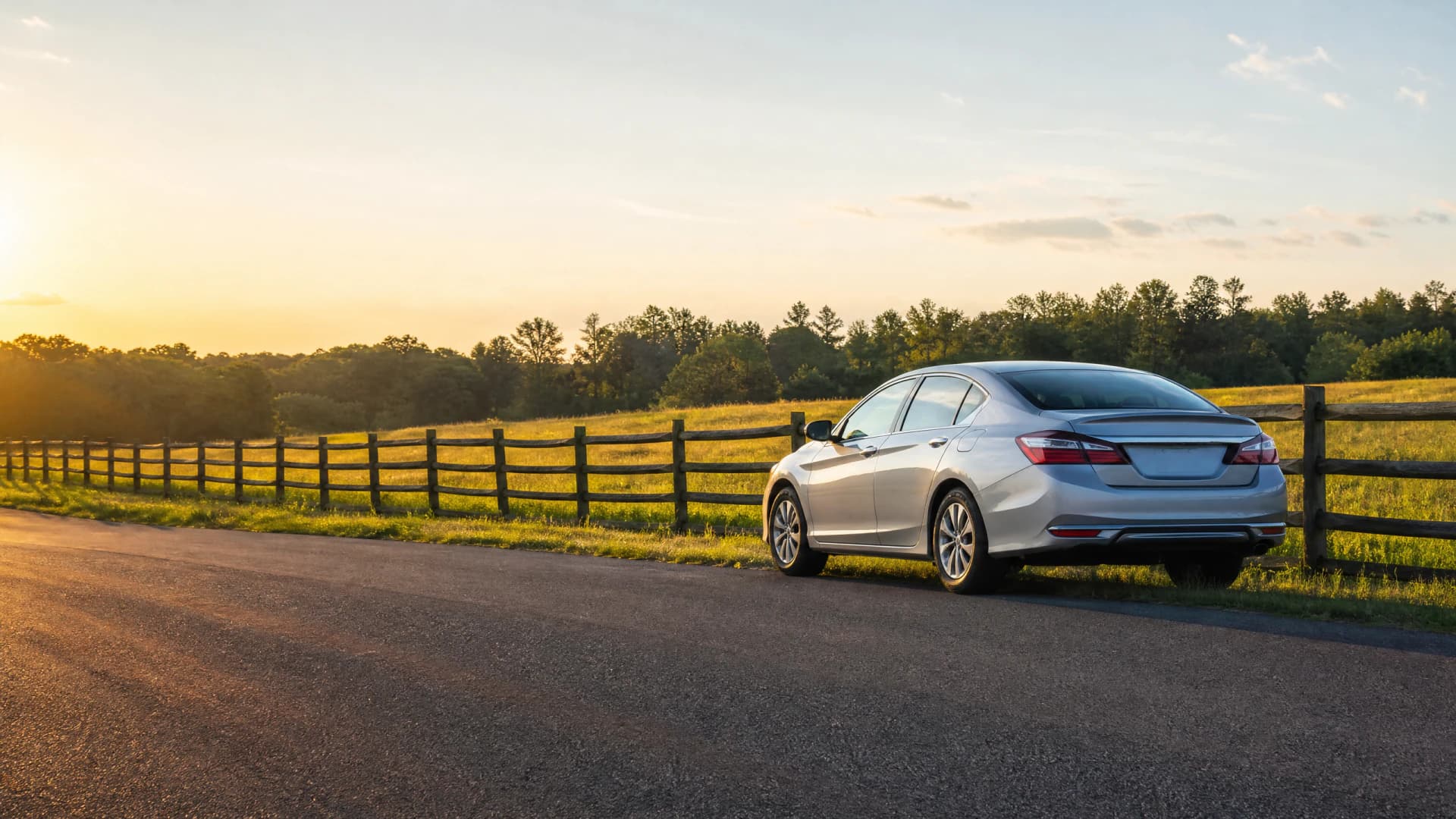
The blocker: you meet the age threshold and your mileage dropped, but your carrier has not adjusted your rate because you have not submitted the mileage update or requested the mature-driver review.
Related Articles





Low-Mileage and Usage-Based Programs for Retired Drivers
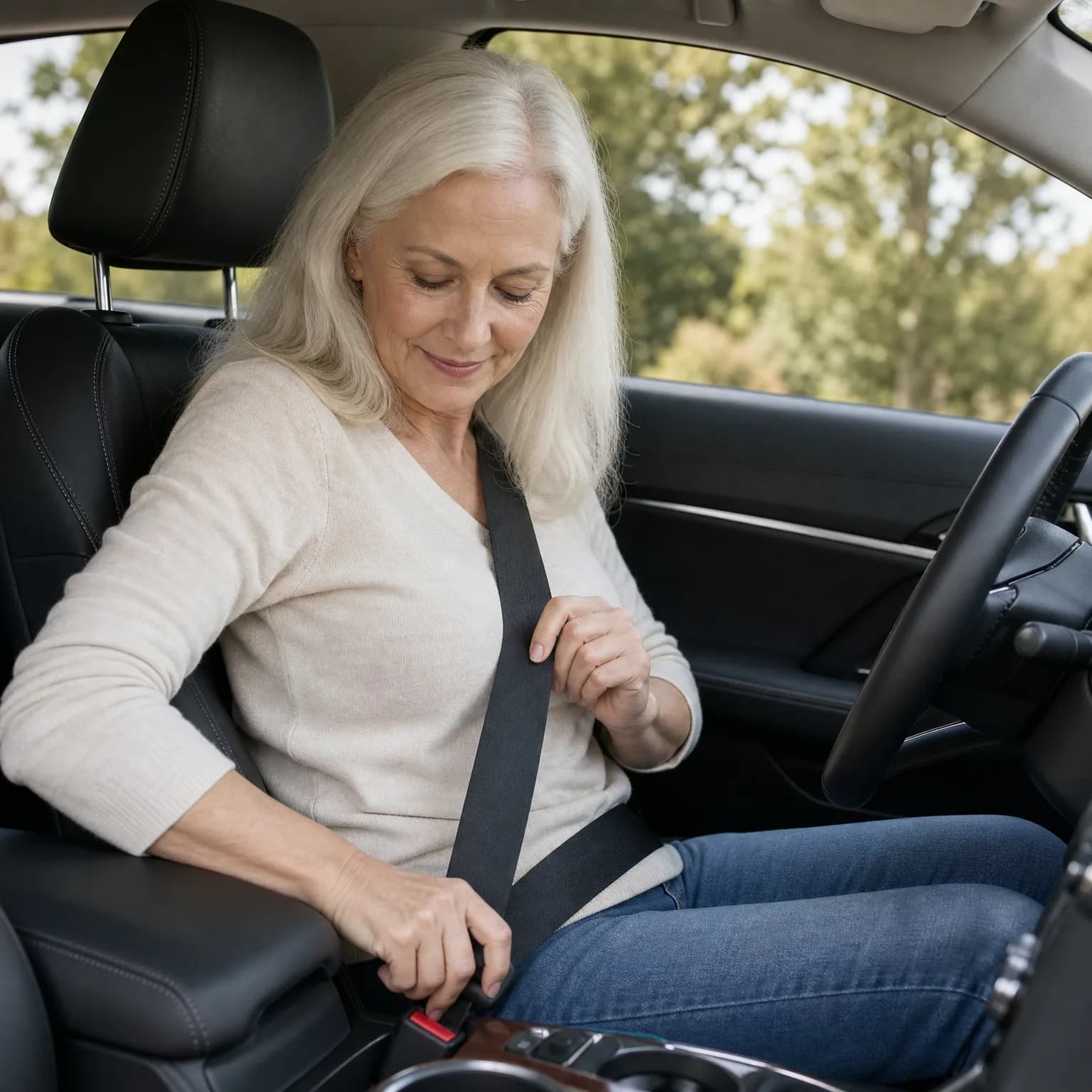
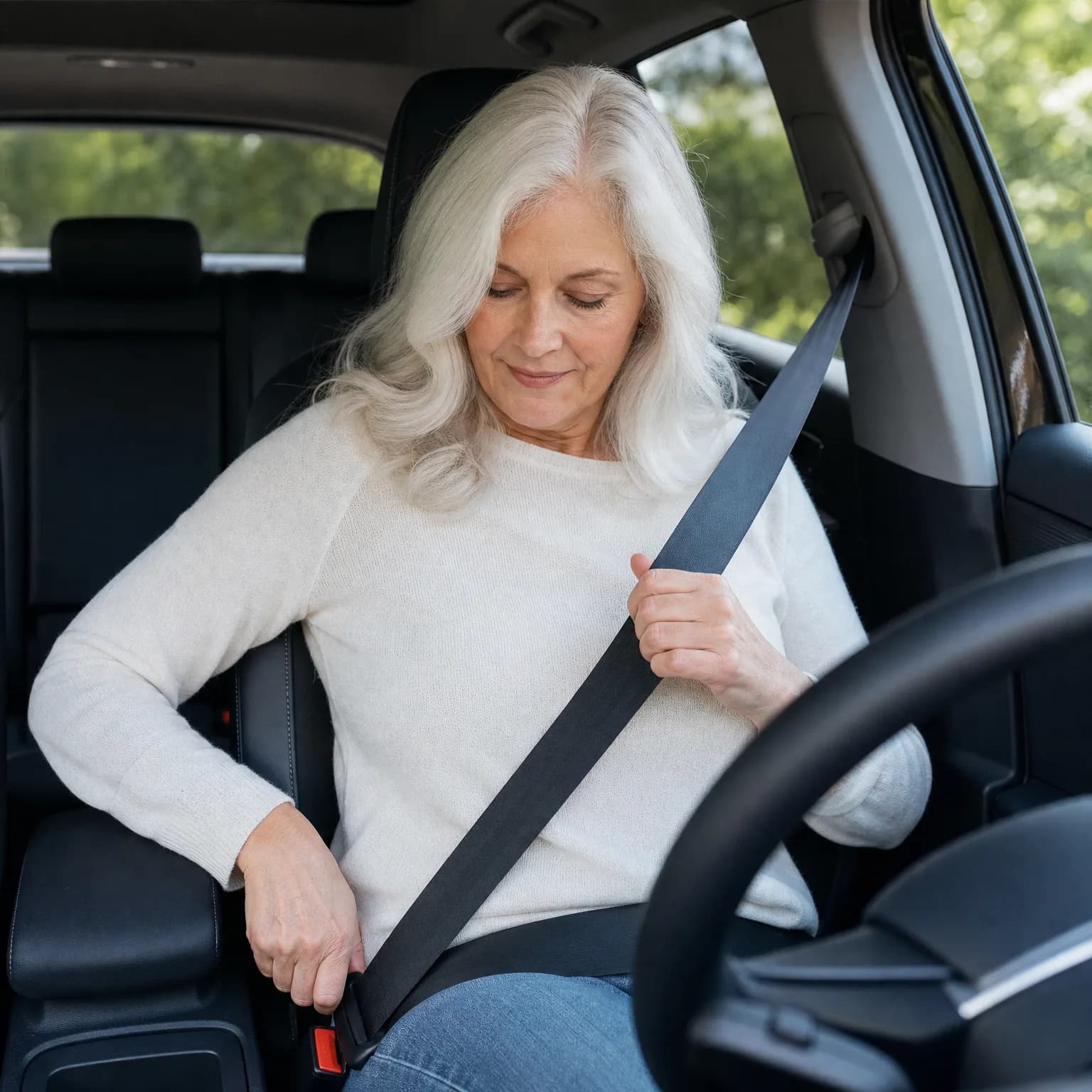
Age-based discounts address one variable; mileage programs address another. Progressive Snapshot, State Farm Drive Safe & Save, Allstate Drivewise, and similar programs reduce premiums when your annual mileage or trip frequency falls below the thresholds built into standard rating. A retired driver who now drives 6,000 miles annually instead of 15,000 qualifies for mileage-based reductions independent of the mature-driver discount.
These programs require enrollment. Carriers do not automatically adjust your rate when your odometer reading drops; you install a telematics device or mobile app, the system logs your mileage over a monitoring period, and the discount applies at the next renewal if your usage qualifies. Enrollment windows vary by carrier—some allow it at any time, others restrict it to renewal or new-policy binding.
Combining the mature-driver discount with a low-mileage program stacks two reductions on the same policy. Illinois does not prohibit stacking; carrier underwriting rules control whether both apply simultaneously. Ask your agent whether the programs layer or whether one supersedes the other under your policy's rate structure.

Illinois Carriers That Serve Retirees Well
State Farm, Allstate, American Family, and Auto-Owners write standard and preferred-tier auto policies in Illinois and offer mature-driver programs. State Farm's Drive Safe & Save combines telematics mileage tracking with traditional discounts. Auto-Owners operates through independent agents and offers multi-policy bundling that benefits retirees who combine home and auto coverage.
Erie and Amica write preferred-tier business in Illinois and maintain lower claim-frequency assumptions for experienced drivers. Both accept mature-driver course certificates and age-based discount requests. USAA serves military-affiliated retirees and offers some of the lowest rates in the market for clean-record seniors, though membership requires military service or a qualified family connection.
Farmers, Travelers, and Nationwide maintain broad Illinois footprints and accept both age-based and course-based mature-driver discount requests. Hartford explicitly markets to drivers over 50 through AARP partnership programs, though AARP membership is not required to obtain a Hartford quote in Illinois. Compare at least three carriers when shopping; rate spreads for the same senior profile can exceed 40 percent between the highest and lowest quote.
25 carriers
Illinois Senior-Market Writers
At least 25 insurers actively writing auto policies in Illinois offer mature-driver or low-mileage programs. Coverage availability and discount structures vary; obtain quotes from standard, preferred, and senior-specialist carriers to identify the lowest rate for your profile.
Illinois Department of Insurance licensure records
Collision and Comprehensive on Paid-Off Vehicles
Many retirees own vehicles outright and question whether collision and comprehensive coverage still earn their cost. The conventional threshold: when annual premium for both coverages exceeds 10 percent of the vehicle's current value, consider dropping them and self-insuring the replacement risk. A 12-year-old sedan worth $4,000 with $600 annual collision and comprehensive premium crosses that line.
Illinois does not require collision or comprehensive coverage on any vehicle, financed or paid-off. Lenders mandate it; once the loan satisfies, the choice is yours. Liability coverage remains legally required under Illinois minimums: $25,000 per person, $50,000 per accident for bodily injury, and $20,000 for property damage. Dropping collision and comprehensive leaves liability, uninsured motorist, and medical payments in place—a structure that protects others and your medical costs but not your vehicle.

What to Do Right Now
Call your current carrier or agent today. Ask whether your policy includes a mature-driver discount, whether it applies automatically or requires a course certificate, and whether a low-mileage or usage-based program fits your current annual mileage. If you completed a defensive-driving course in the past three years, confirm the certificate is attached to your file and the discount appears on your current declaration page. If your vehicle is paid off and aging, request a collision and comprehensive cost comparison against the vehicle's current value to decide whether those coverages still justify their premium. Then obtain quotes from at least two additional Illinois carriers that write senior business—State Farm, Erie, Auto-Owners, or USAA if you qualify—and compare the total six-month premium for identical coverage limits. The mature-driver discount exists in Illinois by statute; applying it to your policy requires one phone call or one submitted form.
How to Request the Illinois Mature-Driver Discount
Start by calling your agent or the carrier's policyholder service line. Ask two questions: does the policy include an age-based mature-driver discount for insureds over 55, and does it require completion of a defensive-driving course or only age confirmation. If your carrier offers the age-based version, the discount can apply at your next renewal once you confirm eligibility. If it requires course completion, ask which providers are approved under Illinois regulations—some insurers accept only courses from specific vendors.
When course completion is required, expect to pay $15 to $35 for an online or in-person class, submit a completion certificate to your agent, and wait for the discount to appear at renewal. The certificate typically expires after three years; resubmit a new one before the expiration date or the discount disappears. If you completed a course but your renewal notice shows no change, call immediately—agents sometimes fail to attach the certificate to your file, and the discount does not apply retroactively without documentation in the system.
Get Your Free Quote
Get My Illinois Retiree Auto Insurance QuoteFrequently Asked Questions
Does Illinois require car insurance companies to offer senior discounts?
Yes. Under 215 ILCS 5/143.29, every insurer writing auto policies in Illinois must offer a mature-driver discount to insureds over 55. The statute does not fix the discount percentage; each carrier sets its own amount through rate filings. The discount does not apply automatically; you request it at renewal or submit proof of course completion depending on your carrier's structure.
How do I get the mature-driver discount in Illinois?
Call your insurer or agent and ask whether your policy includes an age-based mature-driver discount or requires completion of a state-approved defensive-driving course. If age-based, confirm your eligibility and request application at your next renewal. If course-based, enroll in an approved program, submit the completion certificate to your agent, and verify the discount appears on your renewal declaration page.
Can I combine the mature-driver discount with a low-mileage program?
Yes, in most cases. Illinois does not prohibit stacking discounts, and many carriers allow the mature-driver discount and mileage-based programs to apply simultaneously. Ask your agent whether your policy's underwriting rules allow both or whether one supersedes the other.
Which Illinois car insurance companies offer the best rates for retirees?
State Farm, Erie, Auto-Owners, USAA (military-affiliated only), and Amica maintain strong reputations for competitive senior pricing in Illinois. Rate spreads between carriers for the same profile often exceed 40 percent. Obtain quotes from at least three insurers to identify the lowest rate for your age, mileage, and coverage selections.
Do I still need collision and comprehensive coverage on a paid-off car?
It depends on the vehicle's value and your financial capacity to replace it. When annual collision and comprehensive premium exceeds 10 percent of the car's current worth, many retirees drop those coverages and self-insure the replacement risk. Illinois requires only liability coverage, not collision or comprehensive, once a loan is satisfied.
How much does a defensive-driving course cost in Illinois?
Course fees vary by provider. Ask your insurer which vendors are approved under their mature-driver discount program and compare pricing directly with those providers. Completion certificates typically remain valid for three years; resubmit a new one before expiration or the discount disappears.