
Car Insurance After Dropping a Second Car — Illinois
Free to compare
Why Your Premium Didn't Drop When You Sold the Second Car
You sold the car you drove twice a week. You called your carrier, removed it from the policy, and waited for the refund or the lower renewal bill. When the notice arrived, the premium dropped $30 a month instead of the $90 you expected. The carrier's explanation made no sense: you lost the multi-car discount. You still have a car insured. How does that work?
Most retirees assume the multi-car discount splits evenly across both vehicles or applies to the household as a structural benefit. It does neither. Carriers price the discount almost entirely on the second vehicle, treating the first car as the base rate. When you drop the second car, you lose the discount structure even though one insured vehicle remains. The premium on the car you kept reverts to single-vehicle pricing, which is higher than you were paying on it under the old two-car policy.
“The multi-car discount prices the second vehicle, not the household. Dropping the cheaper car leaves you paying full rate on the one that remains.”

See What Illinois Retirees Pay Now
Get My Illinois Retiree Auto Insurance Quote25
Carriers Writing Illinois Auto
Illinois licenses 25 carriers confirmed to write private passenger auto coverage in the state, including non-standard and preferred tiers. Not all treat single-vehicle retiree policies the same way after a multi-car structure ends.
Illinois Department of Insurance carrier filings
How Multi-Car Discount Pricing Actually Works
The multi-car discount is not a household benefit. It is a per-vehicle pricing adjustment applied to the second, third, and fourth cars on a policy. The first car carries the base rate. The second car receives a discount because the carrier assumes shared garaging, shared usage patterns, and administrative efficiency. That discount typically runs 10 to 25 percent off the second vehicle's premium, depending on the carrier and the state.
When you remove the second car, the discount vanishes because there is no second vehicle to apply it to. The remaining car was always priced at the base rate. You were never receiving a discount on it. The lower combined premium you saw on the old two-car policy was the sum of the full-rate first car plus the discounted second car. Dropping the cheaper vehicle leaves you with the expensive one at full price.
This structure penalizes retirees who keep the newer or more valuable car and sell the older runabout. The runabout carried the lower liability and collision premium and received the multi-car discount on top of that. The primary vehicle you kept was always the higher base cost, and now it has no discount to offset it.
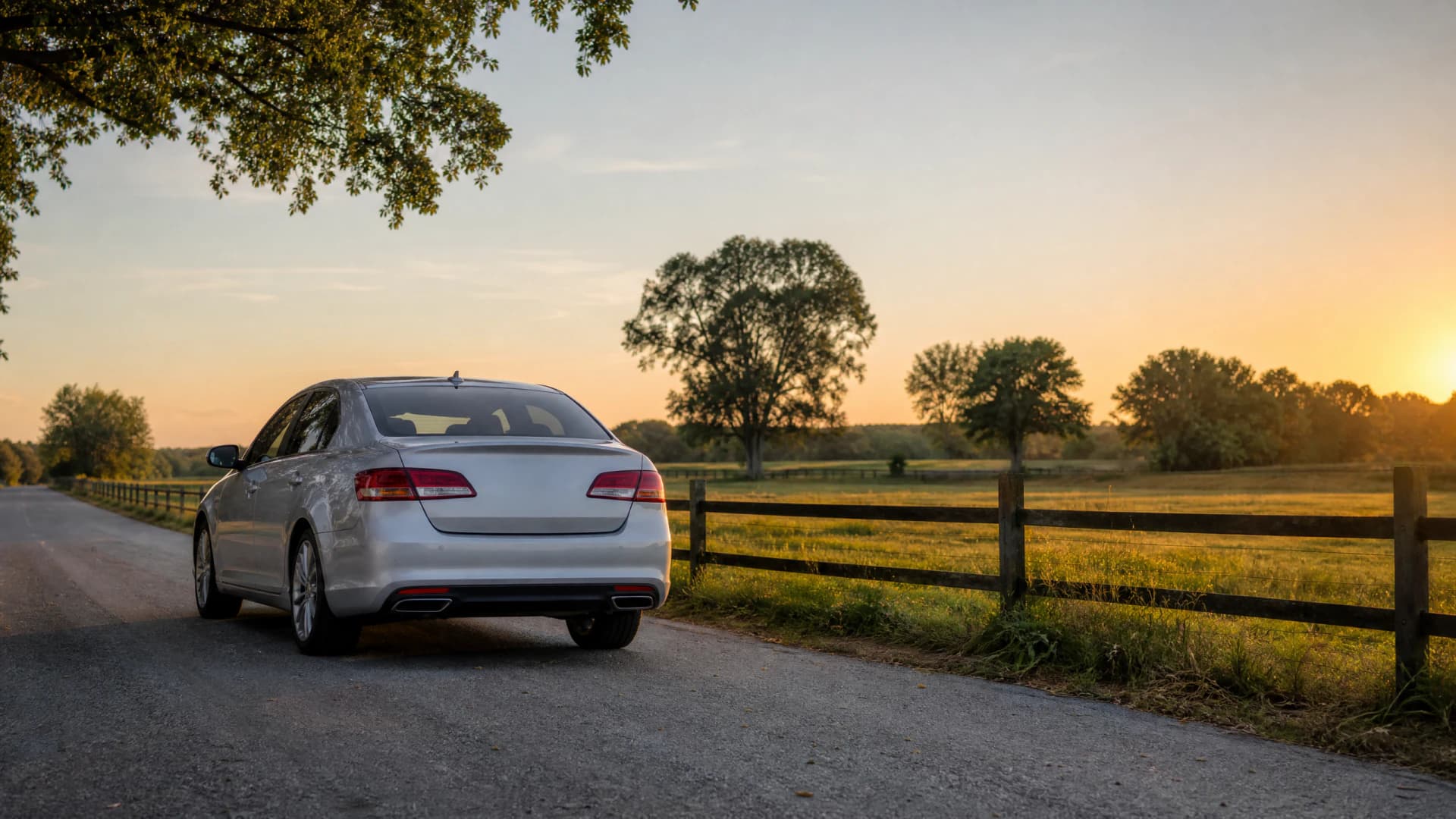
You cannot recover the multi-car discount on a single-vehicle policy. The pricing structure requires a second insured car. Shopping for a lower single-car rate is the only path forward.
Related Articles
Dropping a Second Car in Peoria IL
6/14/2026

Joliet IL Insurance After Dropping Second Car
6/14/2026

Insurance After Dropping Second Car Rockford
6/15/2026

Naperville IL Insurance After Dropping a Car
6/14/2026
Waukegan IL Retiree Single-Car Insurance
6/14/2026

Mature-Driver Discount After Dropping a Car
6/14/2026

The Path Retirees Miss: Carrier-Specific Single-Vehicle Programs
Once you are down to one car, the carriers that priced you competitively as a two-car household may no longer be your best option. Some carriers structure their rates to reward multi-car households and penalize single-vehicle policies. Others do the opposite, offering low-mileage, retiree-specific, or usage-based programs that only make sense when household mileage concentrates on one vehicle.
Illinois law requires insurers to offer a mature-driver discount for drivers over 55, but the statute does not fix the percentage. Each carrier sets its own amount and files it with the state. Under 215 ILCS 5/143.29, the insurer determines the appropriate reduction. That reduction applies whether you insure one car or five, but the base rate it reduces varies dramatically by carrier once the multi-car structure is gone.
Low-mileage programs become viable the moment you drop to one vehicle. When you owned two cars, your annual household mileage split across both. Now it concentrates on one, and if you drive under 7,500 miles a year, carriers writing usage-based or mileage-tier programs can underprice the standard multi-car carriers you used before. Progressive Snapshot, State Farm Drive Safe & Save, and Nationwide SmartMiles all operate in Illinois and all price single-vehicle retiree profiles more aggressively than their standard book rates.
The failure mode competing pages never mention: you must re-shop after dropping the car. Staying with your current carrier and accepting the new single-vehicle rate locks you into a pricing structure designed for a household you no longer have. The discount you lost is unrecoverable with that carrier. The only path to a comparable combined rate is comparing carriers that price single-vehicle retiree policies as their primary book, not as a fallback.
$25,000
Illinois Bodily Injury Minimum Per Person
Illinois requires $25,000 per person, $50,000 per accident bodily injury liability, and $20,000 property damage. Retirees with retirement assets above these floors face meaningful exposure if liability limits were set years ago and never increased.
625 ILCS 5/7-203
Coverage Fit After You Drop the Second Vehicle
Dropping a car is the moment to revisit whether full coverage still earns its cost. If the car you kept is paid off and worth under $5,000, collision and comprehensive premiums often exceed any realistic claim payout after the deductible. A minor fender-bender on a 12-year-old sedan with a $500 deductible and a $3,200 book value pays out $2,700 at most. If collision coverage costs $40 a month, you recover the annual premium only if you file a claim every 16 months.
Medical payments coverage and personal injury protection interact with Medicare in ways most retirees and their agents misunderstand. Medicare is always the primary payer for medical bills after an accident once you are 65 or older. Medical payments coverage through your auto policy is secondary. It covers the Medicare Part A and Part B deductibles, co-pays, and any treatment Medicare does not cover, but it does not replace Medicare. If your med-pay limit is $5,000 and your accident generates $12,000 in bills, Medicare pays first according to its rules, and med-pay covers your out-of-pocket expenses up to the $5,000 limit.
Timing and Documentation
Remove the vehicle from your policy the day you sell it or surrender the plates, not at renewal. Carriers prorate the refund from the effective date of the policy change, and waiting until renewal means paying for coverage on a car you do not own. Call your agent or file the change online the same day the transaction closes. The carrier will ask for the sale date, the buyer's name if sold privately, or the dealership name if traded in. If you are surrendering plates to the Illinois Secretary of State, provide the surrender receipt date.
Request a written confirmation of the new single-vehicle premium before the change takes effect. The confirmation should show the old premium, the prorated refund for the removed vehicle, and the new ongoing rate. If the new rate is higher per vehicle than you expected, you have a narrow window to shop and switch carriers before the old policy structure ends. Once the multi-car policy terminates, you cannot reinstate it without adding a second vehicle.

What You Do Next
Call three carriers that write single-vehicle retiree policies in Illinois and ask for quotes with your current limits and deductibles. Specify your annual mileage and ask whether a low-mileage or usage-based program applies. If your current carrier applies the mature-driver discount, confirm the new carrier's filed amount and whether you need to submit a defensive driving course certificate to qualify. Compare the single-vehicle quote against what your current carrier is charging after removing the second car. If the difference exceeds $200 annually, switch at renewal. The multi-car discount you lost does not come back by waiting.
What Changes When Your Policy Drops to One Vehicle
First, the carrier recalculates your premium from scratch. The old policy priced two vehicles under one discount structure. The new policy prices one vehicle with no household discount applied. Even if nothing else about your coverage, limits, or deductibles changes, the rate per vehicle increases because the multi-car efficiency assumption is gone. Some carriers apply this immediately at the policy change effective date; others apply it at renewal.
Second, carriers often re-evaluate your eligibility for programs that were grandfathered or applied at the household level. Usage-based telematics programs, bundling discounts that assumed two vehicles, and affinity group rates sometimes require re-enrollment or re-verification once the policy structure changes. If you do not re-enroll, the discount disappears at renewal without warning. Third, your liability limits now cover one vehicle instead of two, which does not reduce your per-occurrence exposure but does eliminate the scenario where two household vehicles are involved in separate incidents during the same policy period.
Get Your Free Quote
Get My Illinois Retiree Auto Insurance QuoteFrequently Asked Questions
Can I get the multi-car discount back if I add a second car later?
Yes, but only if you insure the second vehicle on the same policy. The discount applies the day the second car is added, and the carrier reprices both vehicles under the multi-car structure. If you buy a car and insure it separately or under a different household member's name, the discount does not apply.
Does dropping to one car affect my liability coverage?
Your per-occurrence liability limits stay the same, but you lose the scenario where two household vehicles cause separate accidents during the same policy period. If you carry $100,000 per accident and one car causes two accidents six months apart, each is a separate occurrence with separate limits. One car can only cause one accident at a time.
Do I need collision coverage on a paid-off car worth under $5,000?
It depends on your deductible and annual premium. If collision costs $400 a year with a $500 deductible, a total-loss claim on a $4,500 car pays $4,000. You recover the annual premium once every decade if you never file a claim. Many retirees drop collision at this value threshold and self-insure the vehicle.
Will my current carrier automatically apply the mature-driver discount after I drop the second car?
Not automatically. Illinois requires insurers to offer the discount under 215 ILCS 5/143.29, but the amount is set by carrier filing and you must verify it is applied. If you completed a state-approved defensive driving course under the old multi-car policy, confirm the certificate is still active and attached to the new single-vehicle policy.
How soon after selling the car should I remove it from my policy?
The same day you complete the sale or surrender the plates. Carriers prorate refunds from the effective date of the policy change, and coverage on a car you no longer own earns nothing. Call your agent or file the change online immediately with the sale date and buyer or dealership name.
Can I keep the same coverage limits and deductibles on one car that I had on two?
Yes, but the per-vehicle cost will be higher because the multi-car discount is gone. Some retirees increase deductibles or drop collision when moving to a single vehicle to offset the rate increase. Your limits and deductibles are independent choices; the carrier does not force changes when the second car is removed.