
Cheapest Car Insurance for Retired Couples — Rockford, IL
Free to compare
Why Your Premium Rose Though Nothing Changed
You opened your renewal notice last month and the number jumped $40 a month—no accidents, no tickets, same car, same address, same coverage. The insurer's explanation letter cited "actuarial adjustments" and "market conditions," but neither accounts for the fact that you now drive 6,000 miles a year instead of the 15,000 you logged during your working decades. Retired couples in Rockford face this pattern routinely: premiums that rise while risk falls, and no mechanism to force a correction unless you shop or explicitly request the discounts carriers are required to offer but rarely advertise.
Illinois law requires every insurer writing auto policies in the state to offer a mature-driver discount to policyholders over 55, but the statute delegates the discount amount to each carrier's filed rate structure. That delegation creates a three-tier outcome in practice: some carriers apply 5–8 percent reductions automatically at age 55, others require you to complete a state-approved defensive driving course and submit the certificate to unlock 10–15 percent, and a third group offers both an age-based reduction and a stacked course discount that can approach 20 percent when combined. None of this appears on your renewal notice unless you or your agent specifically requested it.
“Illinois requires the discount but doesn't fix the amount, so identical profiles can see 6 percent at one carrier and 18 percent at another—and neither will tell you the competitor's number.”

See What Illinois Retirees Pay Now
Get My Illinois Retiree Auto Insurance Quote55
Illinois Mature-Driver Discount Age
215 ILCS 5/143.29 requires insurers to offer a mature-driver discount to insureds over 55, but the statute does not fix a percentage—each carrier determines the appropriate reduction and files it with the Illinois Department of Insurance.
215 ILCS 5/143.29
What the Mandate Actually Requires
The statutory requirement is explicit: insurers must offer the discount. The statute is silent on the amount, the trigger mechanism, and whether the discount applies automatically or requires policyholder action. That silence shifts the burden to you: if you don't ask, many carriers won't apply it, and if you don't compare what each carrier filed, you won't know whether your current 6 percent reduction is half what another insurer writing in Rockford would give you for the identical profile.
The course-based pathway compounds the variance. Illinois maintains a registry of state-approved defensive driving courses, most available online for $20–$30 and completable in 4–6 hours. Completion earns a certificate valid for three years. Some carriers treat that certificate as a prerequisite for any mature-driver discount; others layer it on top of the age-based reduction. A minority of carriers ignore the course entirely and base the discount solely on age. No public database reconciles which carrier uses which structure, so comparison requires calling each insurer or working with a broker who knows the filed rates.
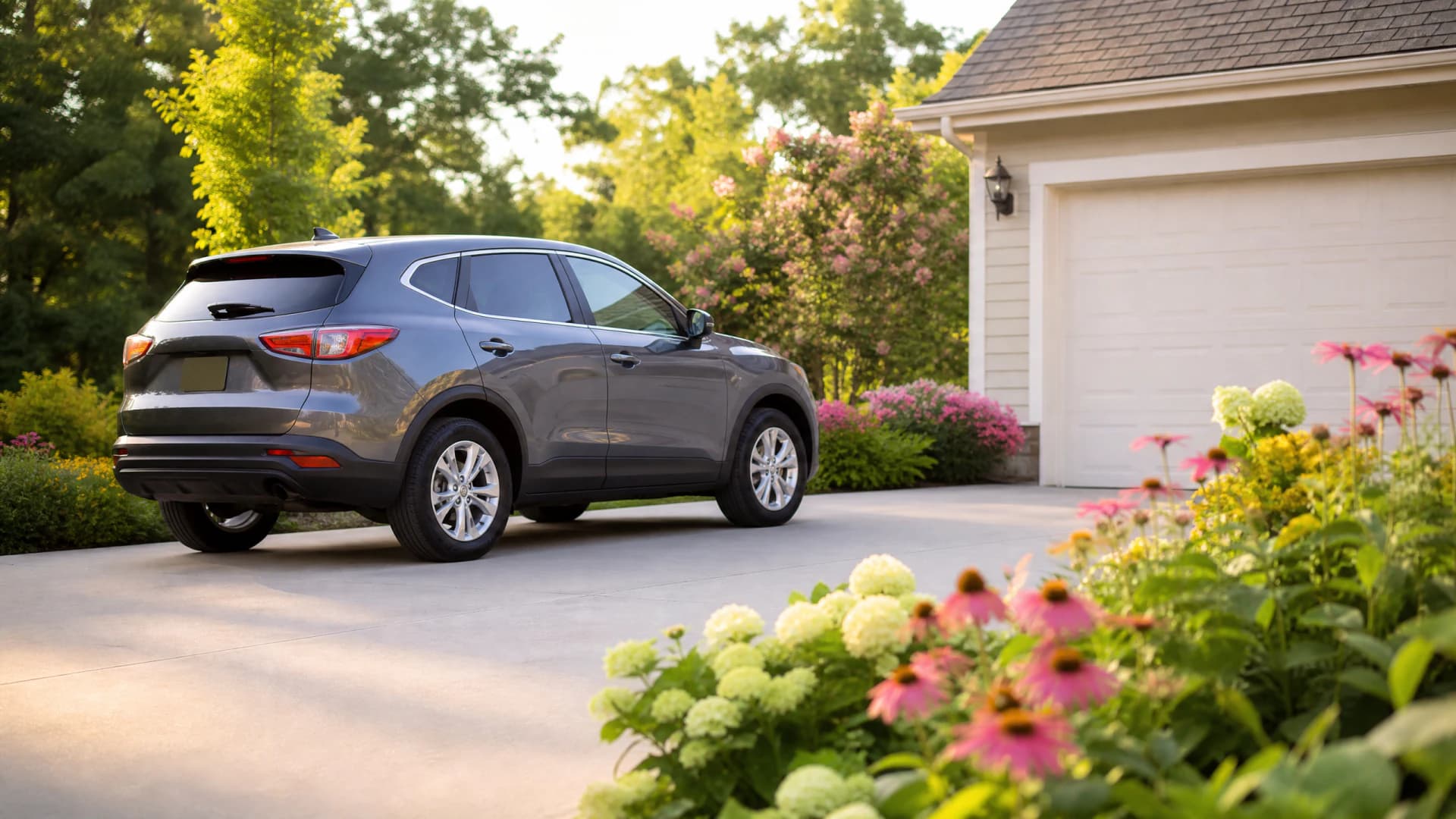
Most carriers won't reapply the course discount at renewal unless you submit a new certificate—even if you completed the course two years ago and it's still valid under state approval.
Related Articles







Low-Mileage and Usage-Based Programs for Retirees
Mature-driver discounts address age; low-mileage and usage-based programs address the actual risk reduction from driving half the miles you did a decade ago. Most carriers writing in Rockford offer at least one of these structures, and they stack with the mature-driver discount when both are applied correctly. Low-mileage programs typically begin at an 8,000-mile annual threshold—you declare your estimated mileage at policy inception, the carrier applies a percentage reduction, and at renewal you verify actual mileage via odometer photo or inspection. Retired couples who split one vehicle and drive 6,000 miles combined often qualify for 10–15 percent low-mileage cuts on top of the age discount.
Usage-based programs go further by monitoring driving behavior through a plug-in device or smartphone app. Progressive's Snapshot, State Farm's Drive Safe & Save, and GEICO's DriveEasy all operate in Illinois and reward smooth braking, minimal night driving, and consistent speeds—behaviors retired drivers often exhibit naturally. The monitoring period runs 90–180 days, and discounts range from 5 percent for marginal scores to 30 percent for top-decile performance. The behavioral discount persists at renewal as long as you continue the monitoring program, but most carriers allow you to pause monitoring after the initial rating period if you're satisfied with the locked-in discount.
One structural failure mode: some carriers apply the low-mileage discount only to collision and comprehensive coverage, not liability, because liability risk in their actuarial model correlates weakly with annual mileage. That structure halves the dollar savings if you're comparing a $600 annual collision premium against a $1,200 liability premium. Ask explicitly which coverages the mileage discount applies to before committing to a program that requires annual odometer verification.
25/50/20
Illinois Minimum Liability
Illinois requires $25,000 bodily injury per person, $50,000 per accident, and $20,000 property damage. Retired couples with home equity or retirement assets often carry 100/300/100 or higher to protect what they've built, but the statutory floor remains the comparison baseline for every coverage-fit decision.
Illinois Secretary of State
Whether Full Coverage Still Earns Its Cost
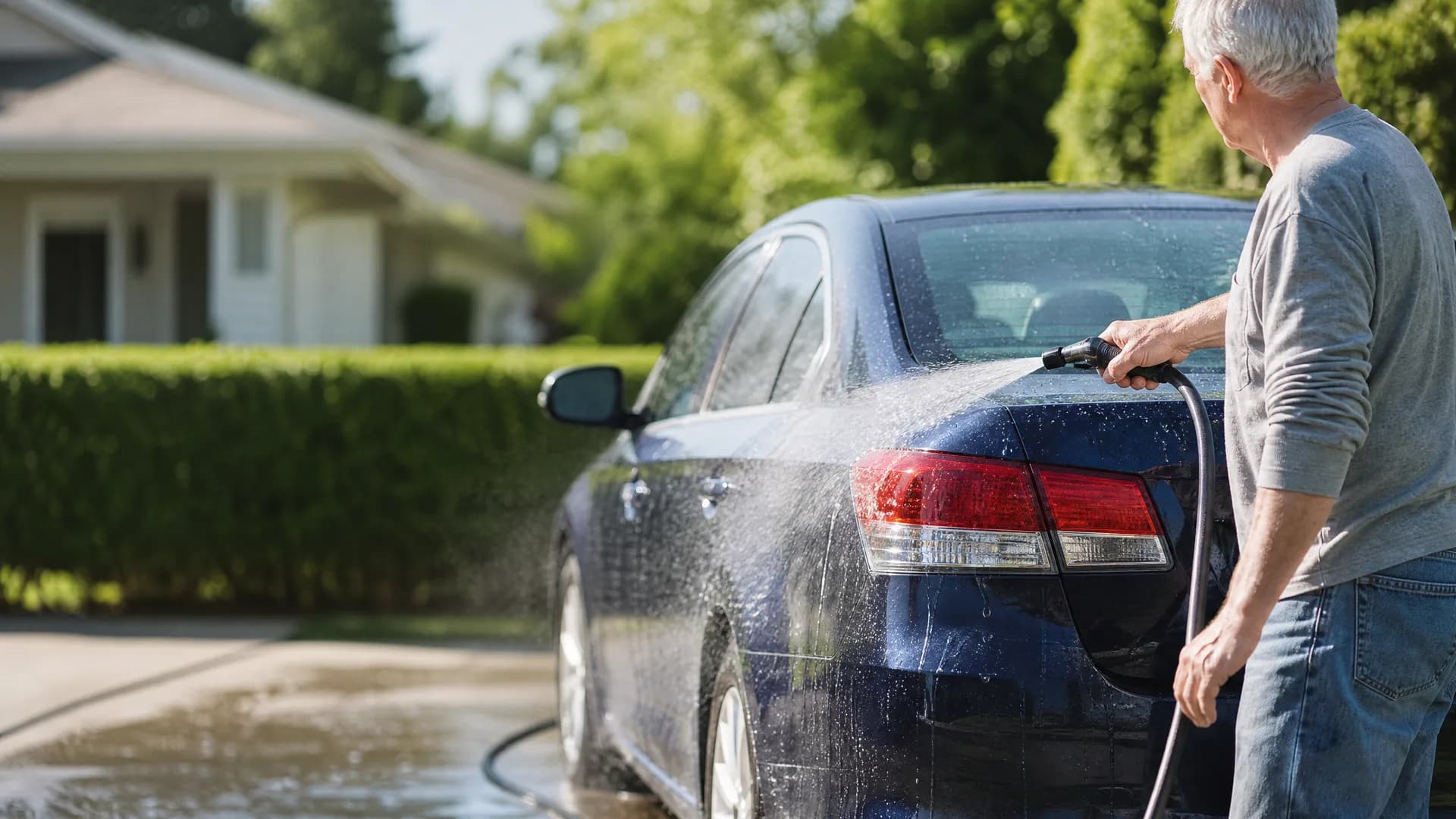
You own your 2016 sedan outright, it's worth $8,000 in current private-party value, and you're paying $720 a year for collision and comprehensive coverage with a $500 deductible. The conventional threshold: when annual premium exceeds 10 percent of vehicle value, collision and comprehensive become judgment calls rather than automatic renewals. At $720 on an $8,000 car you're at 9 percent, just under the line, but raising the deductible to $1,000 drops the premium to $480 and extends the coverage's usefulness for another two to three years as the vehicle depreciates.
The Medicare coordination question surfaces here for retired couples. Illinois does not require personal injury protection, but many policies include medical payments coverage as an optional add-on, typically $1,000–$5,000 per person. If both you and your spouse are enrolled in Medicare Part B, which covers accident-related medical bills regardless of fault, the med-pay coverage duplicates a benefit you're already paying for federally. Dropping it saves $40–$80 annually per vehicle and eliminates no actual protection. Verify your Medicare enrollment status and whether any secondary or gap coverage you carry would pay before med-pay would trigger—if it wouldn't, the add-on is dead weight.
Compare Rockford Carriers That Treat Retirees Favorably
State Farm, GEICO, Progressive, and Allstate all write standard and preferred auto business in Rockford and all filed mature-driver discount structures with Illinois. State Farm applies an age-based reduction automatically at 55 and a separate course-based discount that stacks; GEICO layers the course discount on top of its base senior rate adjustment; Progressive's Snapshot usage-based program often delivers deeper total savings than a static age discount for retired drivers with smooth habits. Allstate offers both pathways but requires the course certificate to unlock the full reduction. None of these are price claims—each carrier's filed rate structure and underwriting appetite differ, so identical profiles can yield $60-per-month spreads.
Preferred-tier carriers writing in Illinois include USAA (military affiliation required), Erie, Auto-Owners, and Amica. These insurers often start with lower base rates for long-tenured clean-record drivers, and their mature-driver discounts apply on top of that foundation. Auto-Owners operates through independent agents only—no online quoting—but brokers report it consistently delivers competitive pricing for retired couples in smaller metros like Rockford who don't fit the urban-commuter profile most direct writers optimize for. Amica's online quoting tool surfaces the course discount checkbox during the flow, making it easier to compare with and without the certificate applied.

Request Quotes with the Discount Applied Up Front
Do not accept a base quote and assume the mature-driver discount will appear later in underwriting. When requesting quotes online or by phone, state your age explicitly, confirm you're retired or driving reduced mileage, and ask whether completing a state-approved defensive driving course would change the quoted premium before you bind coverage. If the answer is yes, complete the course now—most Illinois-approved providers deliver the certificate within 24 hours of course completion, and you can submit it to the new carrier before the policy binds, locking the discount in at inception rather than waiting for the next renewal cycle to request adjustment. Carriers cannot revoke a discount applied at binding as long as the certificate remains valid for the policy term.
How to Surface the Actual Discount Amount
Start with your current carrier. Call the claims or underwriting line—not the general customer service number—and ask three questions in this order: does the carrier apply an age-based mature-driver discount automatically at 55 or any other age threshold; does completion of a state-approved defensive driving course trigger an additional or alternative discount; and if both exist, do they stack or does the course discount replace the age discount. Request the answer in writing via email or a coverage summary addendum, because verbal confirmations from phone representatives disappear at renewal when the discount isn't applied and you have no documentation to escalate.
Next, request quotes from at least three carriers writing in Rockford that handle standard and preferred-tier business: State Farm, GEICO, and Progressive all write in Illinois, all offer online quoting, and all have filed mature-driver discount structures with the state. When entering your information, the quoting tool will ask your birth year and may surface a course-completion checkbox—check it and compare the quoted premium with and without it selected. If the tool doesn't ask, the discount likely requires manual underwriter review, which means you'll need to call after the online quote generates to request the adjustment. Document which carrier applied what percentage and whether the course certificate was required or optional.
Get Your Free Quote
Get My Illinois Retiree Auto Insurance QuoteFrequently Asked Questions
Does Illinois require car insurance companies to offer senior discounts?
Yes. 215 ILCS 5/143.29 requires every insurer writing auto policies in Illinois to offer a mature-driver discount to policyholders over 55. The statute does not fix a percentage—each carrier determines the appropriate reduction and files it with the Illinois Department of Insurance. Some apply it automatically at age 55; others require completion of a state-approved defensive driving course.
How much does the mature-driver discount save in Illinois?
The statute does not specify a percentage, so the amount varies by carrier filing. Some insurers apply 5–8 percent reductions automatically at age 55, others require a defensive driving course and offer 10–15 percent, and a few stack both for combined savings approaching 20 percent. Ask each carrier what their filed mature-driver discount structure includes and whether the course certificate is required or optional.
Do I need to retake the defensive driving course every three years?
Illinois-approved defensive driving course certificates remain valid for three years from the completion date. Many carriers require you to submit a new certificate at renewal to continue receiving the course-based discount, even if your original certificate is still valid under state approval. Confirm with your insurer whether they reapply the discount automatically at renewal or require recertification every policy term.
Can I combine a mature-driver discount with a low-mileage discount?
Yes, most carriers allow mature-driver and low-mileage discounts to stack. The mature-driver discount addresses age-based rate adjustments; the low-mileage discount reflects reduced exposure from driving fewer annual miles. If you're retired and driving under 8,000 miles per year, ask whether your carrier offers both and confirm that each applies to the coverages you carry—some low-mileage programs apply only to collision and comprehensive, not liability.
Will my car insurance rate go up when I turn 65?
Rates for clean-record drivers typically remain stable or decrease slightly between 65 and 75 because actuarial data shows this cohort has fewer claims than younger age groups. Illinois's mature-driver discount mandate means you should see a reduction at 55, not an increase at 65. If your premium rises at 65 or any later renewal, request an explanation in writing—most increases at that age reflect market-wide rate adjustments or changes in your ZIP code's loss ratio, not your individual age.
Does Medicare replace medical payments coverage on my car insurance?
Medicare Part B covers accident-related medical bills regardless of fault, which overlaps substantially with auto insurance medical payments coverage. If you and your spouse are both enrolled in Medicare, dropping med-pay from your auto policy eliminates duplication and saves $40–$80 annually per vehicle. Verify whether any secondary or gap coverage you carry would pay before med-pay triggers—if not, the coverage adds no protection Medicare doesn't already provide.