
Usage-Based Insurance for Retired Drivers — Waukegan, IL
Free to compare
You Drive Less, but Your Premium Did Not Drop
Your renewal notice arrived last month and the premium held steady, despite the fact that you have not commuted in two years and put fewer than 5,000 miles on the odometer last year. Your carrier never asked how much you drive now. They rated you at renewal the same way they rated you when you were driving 15,000 miles annually to work and back.
Usage-based insurance programs exist specifically to address this gap. They track actual mileage or driving behavior and adjust your premium accordingly. But enrollment is never automatic. Your carrier will not move you into a telematics or low-mileage program unless you ask, submit documentation, or install a device. This article walks the enrollment path for retired drivers in Waukegan who want their premium to reflect the miles they actually drive.
“Your carrier will not move you into a low-mileage program unless you ask: enrollment is never automatic, even when your mileage drops by half.”

See What Illinois Retirees Pay Now
Get My Illinois Retiree Auto Insurance Quote25
Carriers Writing in Illinois
Twenty-five carriers are licensed to write auto insurance in Illinois as of current state filings, including standard, preferred, and non-standard tiers. Not all offer usage-based or low-mileage programs; comparing across carriers is the only way to see which do.
Illinois Department of Insurance carrier authorization records
Two Kinds of Usage-Based Programs
Usage-based insurance splits into two program types: telematics-based and mileage-verification. Telematics programs install a device in your vehicle or use a smartphone app to monitor driving behavior—braking, acceleration, time of day, speed. Mileage-verification programs ask you to submit an odometer photo at enrollment and renewal, then adjust your rate based on annual miles driven. Both require you to opt in.
Telematics programs can penalize hard braking or late-night driving, behaviors that may show up even if your total mileage is low. Mileage-verification programs rate purely on distance, not how you drive. For a retiree with a clean record who drives infrequently, mileage-verification often delivers a clearer discount without the risk of behavior-based surcharges.
Illinois law does not mandate usage-based programs. Carriers offer them voluntarily. Illinois requires insurers to offer a mature-driver discount under 215 ILCS 5/143.29, but the statute does not fix the percentage—each insurer sets the amount. Usage-based enrollment and the mature-driver discount are separate: you can pursue both simultaneously.

Your carrier will not auto-enroll you in a low-mileage program at renewal. The discount requires you to request enrollment, submit documentation, or install a device.
Related Articles

Usage-Based Auto Insurance for IL Retirees
6/14/2026

Retiree Car Insurance in Waukegan IL
6/14/2026

Low-Mileage Insurance Waukegan IL Retirees
6/15/2026

Mature Driver Discount Insurance Waukegan IL
6/14/2026

Cheapest Car Insurance Retired Waukegan IL
6/14/2026

Usage-Based Insurance Naperville Retirees
6/14/2026

Which Carriers Writing in Waukegan Offer Usage-Based Programs
Progressive offers Snapshot, a telematics program that monitors braking, acceleration, time of day, and mileage. State Farm offers Drive Safe & Save, which tracks mileage and driving behavior via a plug-in device or app. Allstate offers Drivewise, an app-based telematics program. Nationwide offers SmartRide, a device-based program. GEICO does not currently offer a standalone telematics program but does offer a low-mileage discount if you verify annual miles below a carrier-defined threshold.
Carriers in the non-standard tier—Dairyland, The General, Bristol West—typically do not offer usage-based programs. Their underwriting focuses on drivers with violations or lapses, not mileage. Preferred-tier carriers—USAA, Amica, Auto-Owners, Erie—offer mileage discounts selectively; verify directly with each carrier whether the program is available in Illinois and whether your policy qualifies.
USAA restricts eligibility to military members, veterans, and their families. If you qualify, USAA offers a low-mileage discount verified via annual odometer submission. Amica and Erie both offer mileage-based discounts but eligibility and thresholds vary by underwriting tier. Contact each carrier to confirm program availability before assuming you qualify.
$25,000
Illinois Bodily Injury Minimum Per Person
Illinois requires $25,000 bodily injury coverage per person, $50,000 per accident, and $20,000 property damage. Retirees carrying only the minimum expose retirement assets if found at fault in a serious accident. Usage-based enrollment does not change your liability limits; review whether your current limits match your asset exposure.
625 ILCS 5/7-203

Failure Modes Competing Pages Miss
Telematics programs can raise your rate. If the monitoring period captures hard braking—common in stop-and-go city driving or when avoiding a hazard—the program may apply a surcharge rather than a discount. You cannot cancel mid-monitoring without losing eligibility for the discount. Read the program terms before installing the device or app. Some carriers let you preview your score before it affects your premium; others apply the result automatically at the monitoring window's close.
Mileage-verification programs lapse if you forget to submit your odometer photo at renewal. Most carriers do not remind you. If you miss the submission window, the discount disappears at the next renewal and you revert to standard rating. Set a calendar reminder for 30 days before your renewal date to photograph your odometer and submit it to your agent or via the carrier's app. Missing one cycle means paying the higher rate for six months until the following renewal.
How the Mature-Driver Discount Layers with Usage-Based Programs
Illinois law requires insurers to offer a mature-driver discount to insureds over 55, but the statute does not fix the percentage—each carrier sets the amount. The discount basis is age-based under 215 ILCS 5/143.29. Some carriers also offer a course-completion discount if you finish a state-approved defensive driving course. Verify with your carrier whether completing the course increases the discount amount or whether the age-based discount is the only mature-driver reduction they apply.
Usage-based discounts and the mature-driver discount stack. If your carrier offers both and you enroll in a low-mileage program, both discounts apply to your premium. The mature-driver discount does not auto-apply at renewal with most carriers—you must request it and, if course completion is required, submit your certificate. The usage-based program requires separate enrollment. Pursuing both simultaneously maximizes your discount, but each pathway has its own documentation and timing requirements.
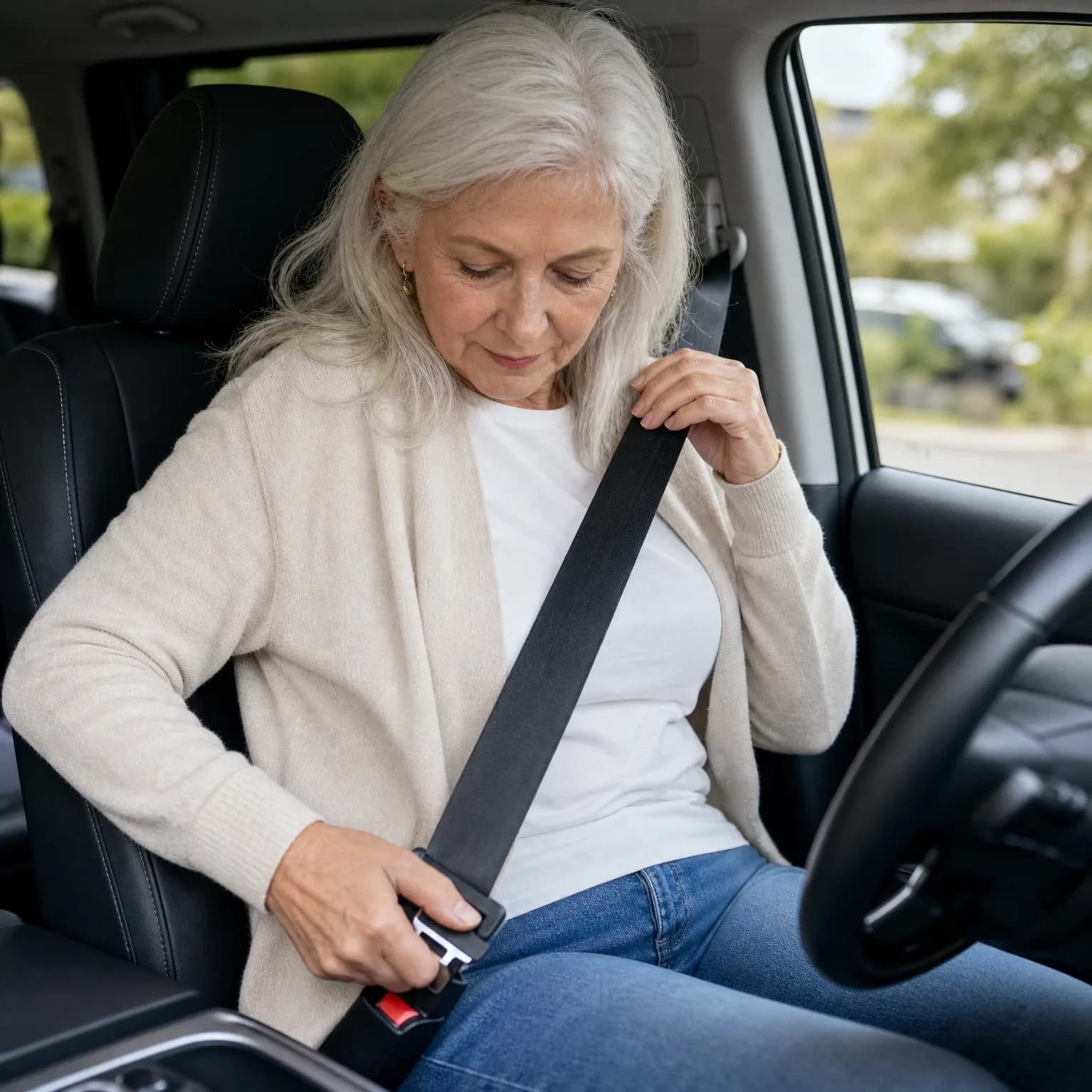
Compare Carriers That Serve Retired Drivers Well
Not every carrier writing in Illinois handles senior profiles favorably. Standard-tier carriers—Progressive, State Farm, Allstate—offer usage-based programs but rate mileage and age differently. Preferred-tier carriers—USAA, Amica, Erie—offer lower base rates for clean-record drivers but require underwriting approval and may not offer telematics options. Non-standard carriers rarely offer usage-based programs at all.
Request quotes from at least three carriers in different tiers. Ask each whether they offer a mature-driver discount, whether a course-completion certificate is required, and whether they offer a low-mileage or telematics program. Compare the mileage threshold each carrier uses—one may define low-mileage as under 7,500 miles annually while another sets the bar at 5,000. The threshold determines whether you qualify.
If your current carrier does not offer a usage-based program, switching carriers is the only way to access one. Switching mid-term usually triggers a short-rate cancellation penalty with your current carrier, so time the switch to align with your renewal date. Verify that your new carrier files your mature-driver certificate and enrolls you in the mileage program before your old policy cancels. Gaps in coverage reset your continuous-coverage discount with most carriers and can trigger a lapse notice with the Illinois Secretary of State.
How to Enroll in a Usage-Based Program
For telematics programs: contact your carrier or agent and ask which telematics program they offer—Progressive Snapshot, State Farm Drive Safe & Save, Allstate Drivewise, Nationwide SmartRide. The carrier mails a plug-in device or directs you to download the app. You install the device in your vehicle's OBD-II port or activate the app on your phone. The monitoring period typically runs 90 days to six months. At the end of the monitoring window, the carrier applies a discount or surcharge based on the behavior data collected. If your driving triggers penalties—hard braking, speeding—the program can raise your rate rather than lower it.
For mileage-verification programs: contact your carrier and ask whether they offer a low-mileage discount and what annual mileage threshold qualifies. Common thresholds are 5,000, 7,500, or 10,000 miles per year. The carrier asks you to submit an odometer photo at enrollment. Some carriers verify mileage annually at renewal; others spot-check. If your submitted mileage falls below the threshold, the discount applies at the next renewal. If you exceed the threshold mid-term, most carriers do not surcharge until the following renewal, but verify this with your specific carrier.
Get Your Free Quote
Get My Illinois Retiree Auto Insurance QuoteFrequently Asked Questions
Do usage-based insurance programs in Illinois automatically enroll retired drivers?
No. Usage-based programs require you to opt in by contacting your carrier, installing a device, or submitting mileage documentation. Carriers do not auto-enroll you at renewal even when your mileage drops significantly. You must request enrollment and follow the carrier's specific pathway.
Can telematics programs raise my premium instead of lowering it?
Yes. Telematics programs monitor braking, acceleration, speed, and time of day. If the monitoring period captures hard braking or other behaviors the carrier flags as risky, the program can apply a surcharge rather than a discount. Read the program terms before installing the device to understand what triggers penalties.
How does the Illinois mature-driver discount work with usage-based programs?
Illinois requires insurers to offer a mature-driver discount to drivers over 55 under 215 ILCS 5/143.29, but the statute does not fix the percentage. Each carrier sets the amount. The mature-driver discount and usage-based discounts stack—both can apply to your premium if you enroll in each separately. Verify with your carrier how to request the mature-driver discount and whether a course certificate is required.
What mileage threshold qualifies for low-mileage discounts in Illinois?
Thresholds vary by carrier. Common thresholds are 5,000, 7,500, or 10,000 miles per year. Contact each carrier you are comparing to ask what their specific threshold is and how they verify mileage. Some require annual odometer photos; others use telematics data.
What happens if I forget to submit my odometer photo at renewal?
Most carriers remove the low-mileage discount at the next renewal if you miss the submission window. You revert to standard rating and pay the higher premium for the following term. Set a calendar reminder for 30 days before renewal to photograph your odometer and submit it to your carrier or agent.
Which carriers in Waukegan offer mileage-verification programs?
GEICO, USAA, and some preferred-tier carriers offer low-mileage discounts verified via odometer submission. Progressive, State Farm, Allstate, and Nationwide focus on telematics programs rather than pure mileage verification. Contact each carrier directly to confirm program availability and eligibility in Illinois.