
Usage-Based Insurance for Retirees — Cicero, IL
Free to compare
Why Your Telematics Discount Disappeared After Retirement
You installed the app, drove carefully for six months, logged fewer miles than you have in decades, and the promised savings never materialized. Your renewal notice showed a smaller reduction than advertised, or the discount vanished entirely at the next policy term. The carrier's customer service rep pointed to your "driving patterns" without explaining what changed.
The friction sits at the intersection of two systems that don't align: Illinois law requires insurers to offer mature-driver discounts based on age or course completion, but usage-based programs score every trip against risk models built for working-age commuters. When a retired driver's habits don't match the algorithm's expectations, the telematics discount shrinks or disappears even when total mileage drops.
“Telematics programs score midday errands as higher risk than rush-hour commutes because the models associate midday driving with congestion.”

See What Illinois Retirees Pay Now
Get My Illinois Retiree Auto Insurance Quoteage 55+
Illinois Mature-Driver Mandate
Illinois law requires insurers to offer a discount for drivers over 55, but the amount is set by each carrier's filed rates, not fixed by statute. The mandate covers age-based and course-based discounts; telematics programs are separate voluntary products.
215 ILCS 5/143.29
How Usage-Based Scoring Penalizes Retired Driving Patterns
Usage-based programs measure four inputs: total mileage, time of day, hard braking events, and rapid acceleration. The first metric favors retirees; the other three often don't. Carriers score midday trips as higher risk than morning or evening commutes because the models associate midday driving with errands in congested areas. A retired driver running errands at 11 a.m. triggers a worse score than a commuter in stop-and-go rush hour traffic.
Short trips register as higher risk per mile because the algorithm weights cold starts and frequent stop-and-go segments more heavily than highway miles. A retiree making three 2-mile trips to the grocery store, post office, and pharmacy scores worse than a commuter driving 20 highway miles each way. The carrier sees fragmented driving; the retiree sees reduced total exposure.
Hard braking detection doesn't distinguish between panic stops and cautious driving. Defensive drivers who brake early and smoothly at yellow lights score well. Drivers who brake firmly to avoid a hazard, even when appropriate, accumulate events the app flags as risky. Retired drivers with slower reflexes sometimes brake harder than younger drivers would in the same situation, and the app counts it against them.
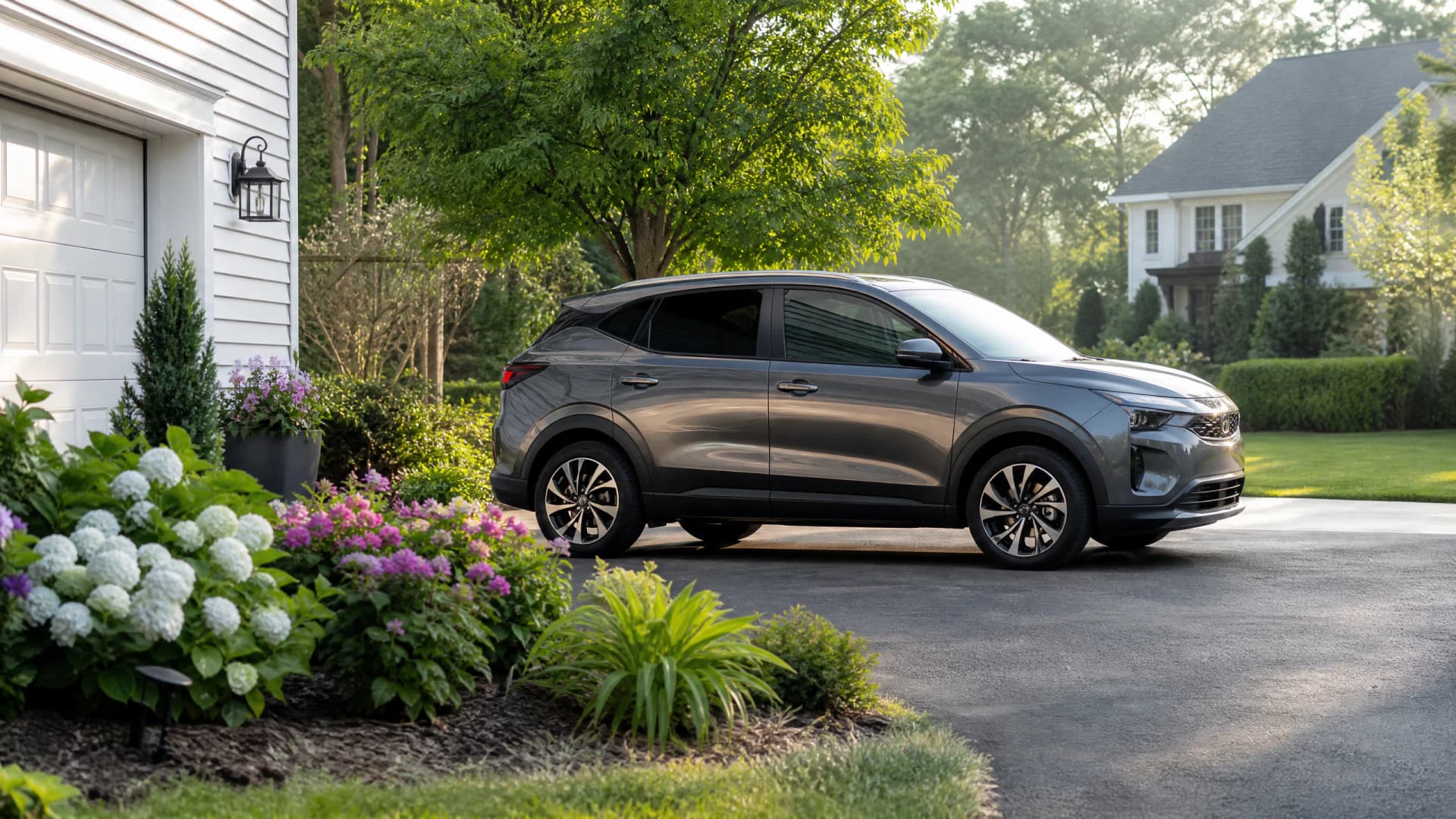
The blocker: your carrier's telematics algorithm scores retired driving patterns against commuter-era risk models, and no disclosure explains which behaviors hurt your rate.
Related Articles



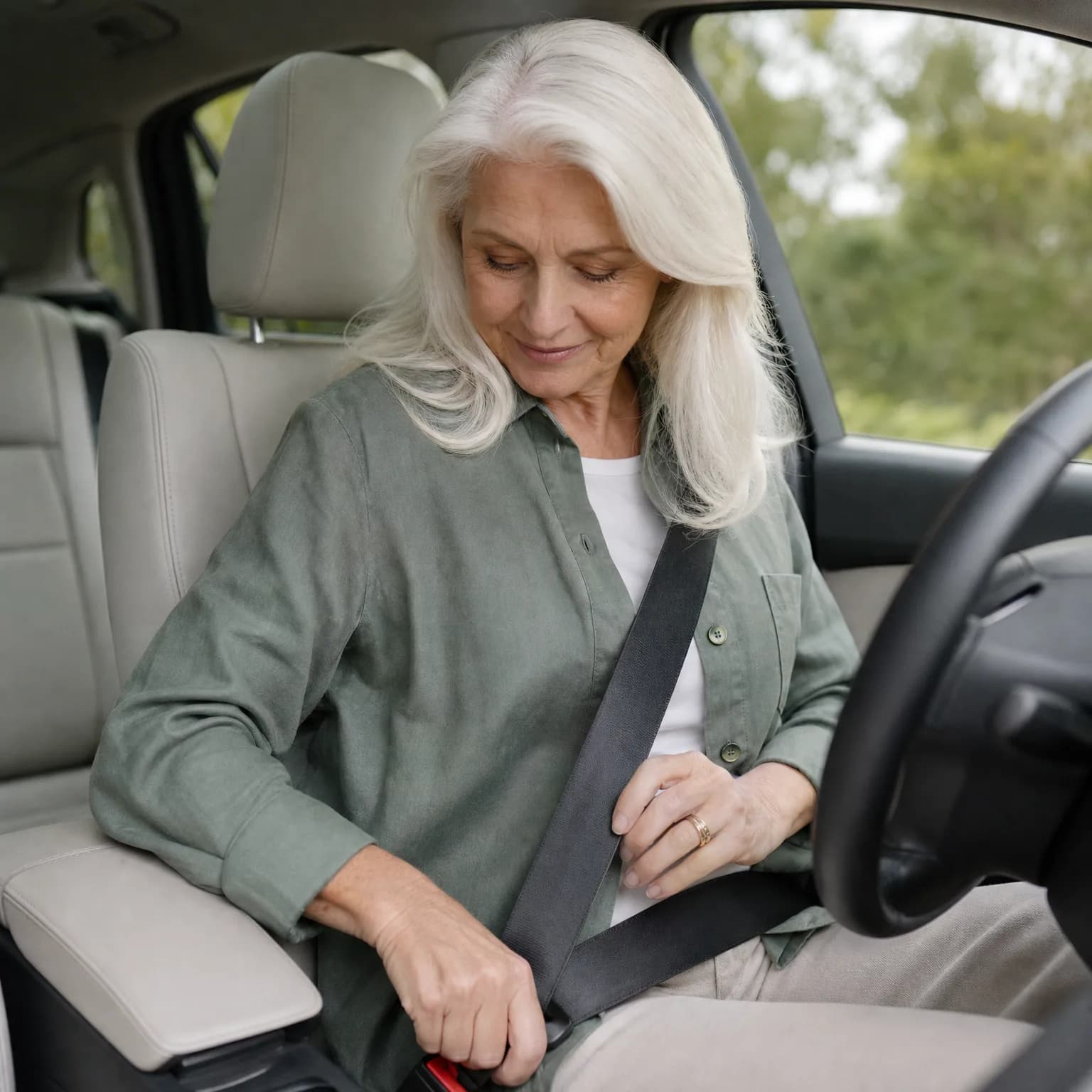



How to Evaluate Whether Telematics Fits Your Driving
Before enrolling, confirm whether the carrier allows stacking the telematics discount with the mature-driver reduction. Some insurers apply only the larger of the two; others let both discounts compound. Ask your agent whether the rates reflect both simultaneously, and get the answer in writing before you install the tracking device.
Request the carrier's scoring methodology in plain terms. Which behaviors are measured? How is each weighted? Most carriers resist detailed disclosure, but you can ask: does the program penalize midday driving, and by how much? Do short trips hurt the score more than highway miles? The answers shape whether the program suits your actual schedule.
Run a trial enrollment period if the carrier offers it. Some programs provide a preview score before the discount takes effect at renewal. If your score trends lower than expected after three months, you can disenroll before it affects your premium. Carriers writing in Illinois that offer trial periods include Progressive and Nationwide; confirm current trial availability when you quote.
25
Carriers Writing Illinois Auto
Twenty-five carriers operate in Illinois across standard, preferred, and non-standard tiers. Not all offer usage-based programs, and program structure varies widely. Comparing mature-driver and low-mileage options across carriers often yields better results than enrolling in telematics.
Illinois Department of Insurance licensure data

Low-Mileage Discounts as an Alternative to Telematics
Low-mileage discounts don't require tracking devices or app monitoring. You report your annual mileage at quote and renewal, and the carrier applies a discount if you fall below a threshold, typically 7,500 or 10,000 miles per year. The discount is flat and predictable; your premium won't fluctuate based on trip timing or braking events. Verification happens at renewal via odometer photo submission or in-person inspection.
Carriers writing in Illinois that offer standalone low-mileage discounts without telematics enrollment include Nationwide, Travelers, and Erie. Ask whether the low-mileage discount stacks with the mature-driver reduction. Most standard-tier carriers allow both discounts to apply simultaneously, but confirm before binding coverage. The combined reduction often exceeds what telematics programs deliver for retired drivers whose patterns don't align with algorithm expectations.
Compare Without Installing the App First
Get quotes from at least three carriers writing in Cicero that offer mature-driver and low-mileage discounts before you commit to telematics. State the coverage limits that match your current policy, confirm your annual mileage estimate, and ask which discounts apply. Request the premium with mature-driver and low-mileage reductions applied, without telematics enrollment. That figure is your comparison baseline.
If a carrier's telematics program delivers a better rate than the mature-driver and low-mileage combination, enroll with the understanding that your driving pattern will determine whether the savings persist past the first term. If your baseline quote with stacked discounts beats the telematics offer, skip the app. The predictable discount protects you from algorithm scoring that penalizes retired schedules you can't change.
Which Cicero Carriers Offer Retiree-Friendly Programs
State Farm writes in Illinois and offers both a mature-driver discount and Drive Safe & Save, a telematics program that emphasizes mileage reduction. The program allows stacking with the age-based discount, and the mileage component works well for retirees logging fewer than 7,500 miles annually. The app still scores hard braking and acceleration, but total miles carry more weight in the final calculation. Enrollment requires the mobile app or an installed device.
Progressive operates in Illinois with Snapshot, which measures mileage, time of day, and hard braking. The program does not explicitly stack with mature-driver discounts in all cases; ask whether both apply before enrollment. Snapshot's midday penalty can reduce savings for retirees who drive primarily between 10 a.m. and 3 p.m. If your pattern includes frequent short trips during those hours, the discount may not match the advertised range.
Get Your Free Quote
Get My Illinois Retiree Auto Insurance QuoteFrequently Asked Questions
Do usage-based insurance discounts stack with Illinois mature-driver discounts?
Some carriers allow both discounts to apply simultaneously; others apply only the larger of the two. Illinois law requires insurers to offer a mature-driver discount for drivers over 55, but telematics programs are voluntary products with separate discount structures. Ask your agent whether the rates reflect both discounts compounded before you enroll in a usage-based program.
Why does my telematics discount decrease even though I drive fewer miles?
Usage-based programs measure mileage, time of day, hard braking, and acceleration. Retired drivers often log midday trips and short errands, which many algorithms score as higher risk per mile than commuter highway driving. Your total mileage may drop, but if other scoring factors penalize your pattern, the discount shrinks.
Can I cancel a telematics program if my discount is lower than expected?
Most carriers let you disenroll from usage-based programs before renewal without penalty. Your rate reverts to the standard premium without the telematics adjustment. Some insurers offer trial periods that provide a preview score before the discount takes effect; confirm trial availability and disenrollment terms when you sign up.
Which Cicero carriers offer low-mileage discounts without tracking devices?
Nationwide, Travelers, and Erie write in Illinois and offer standalone low-mileage discounts based on annual mileage reported at renewal, verified by odometer photo or inspection. These discounts don't require app installation or real-time monitoring. Ask whether the low-mileage reduction stacks with the mature-driver discount when you quote.
Does hard braking detection penalize defensive driving habits?
Telematics apps flag hard braking events without distinguishing between panic stops and firm defensive braking. A retired driver who brakes early to avoid a hazard may accumulate events the algorithm counts as risky, even when the braking was appropriate. The app measures deceleration rate, not intent or context.